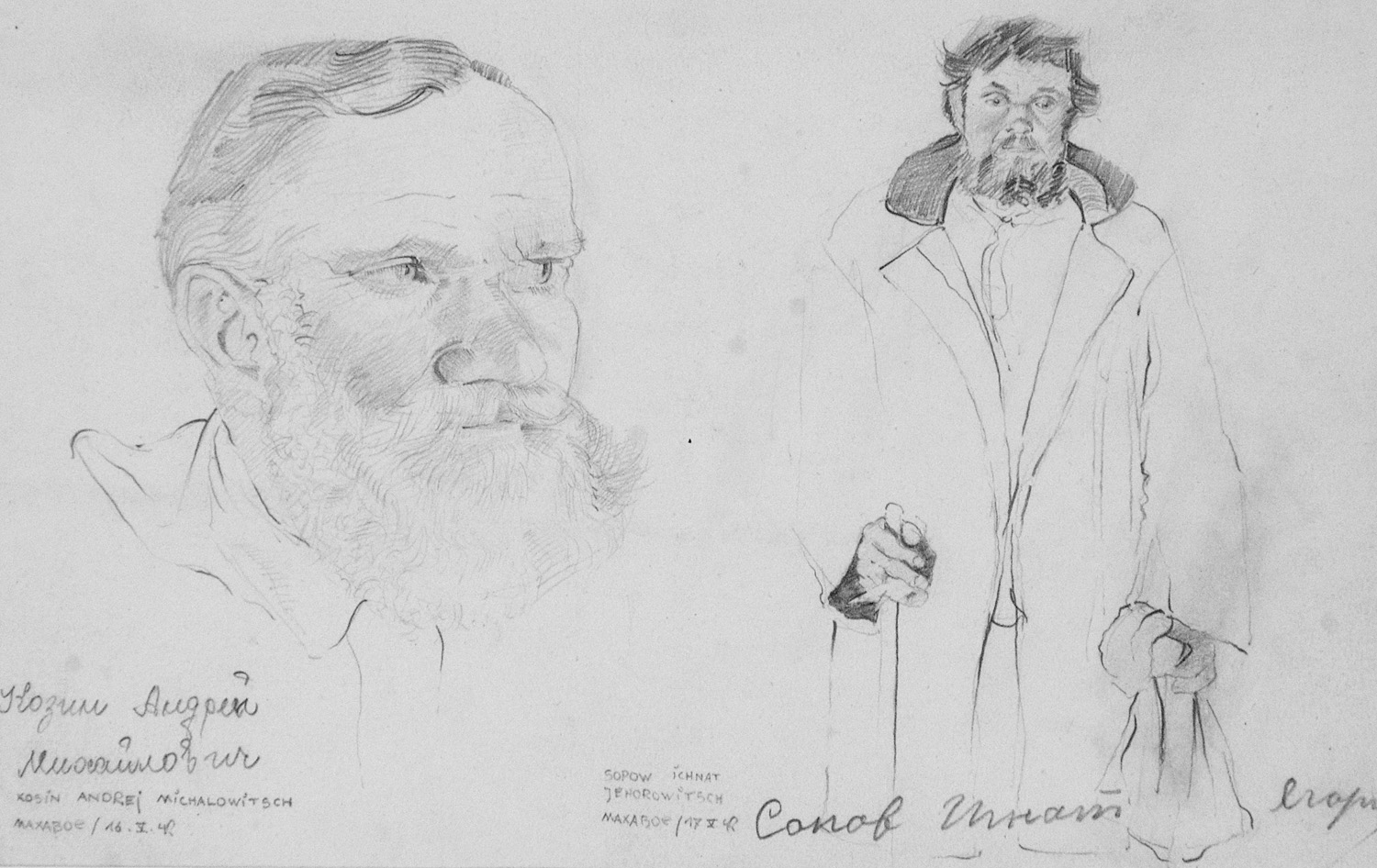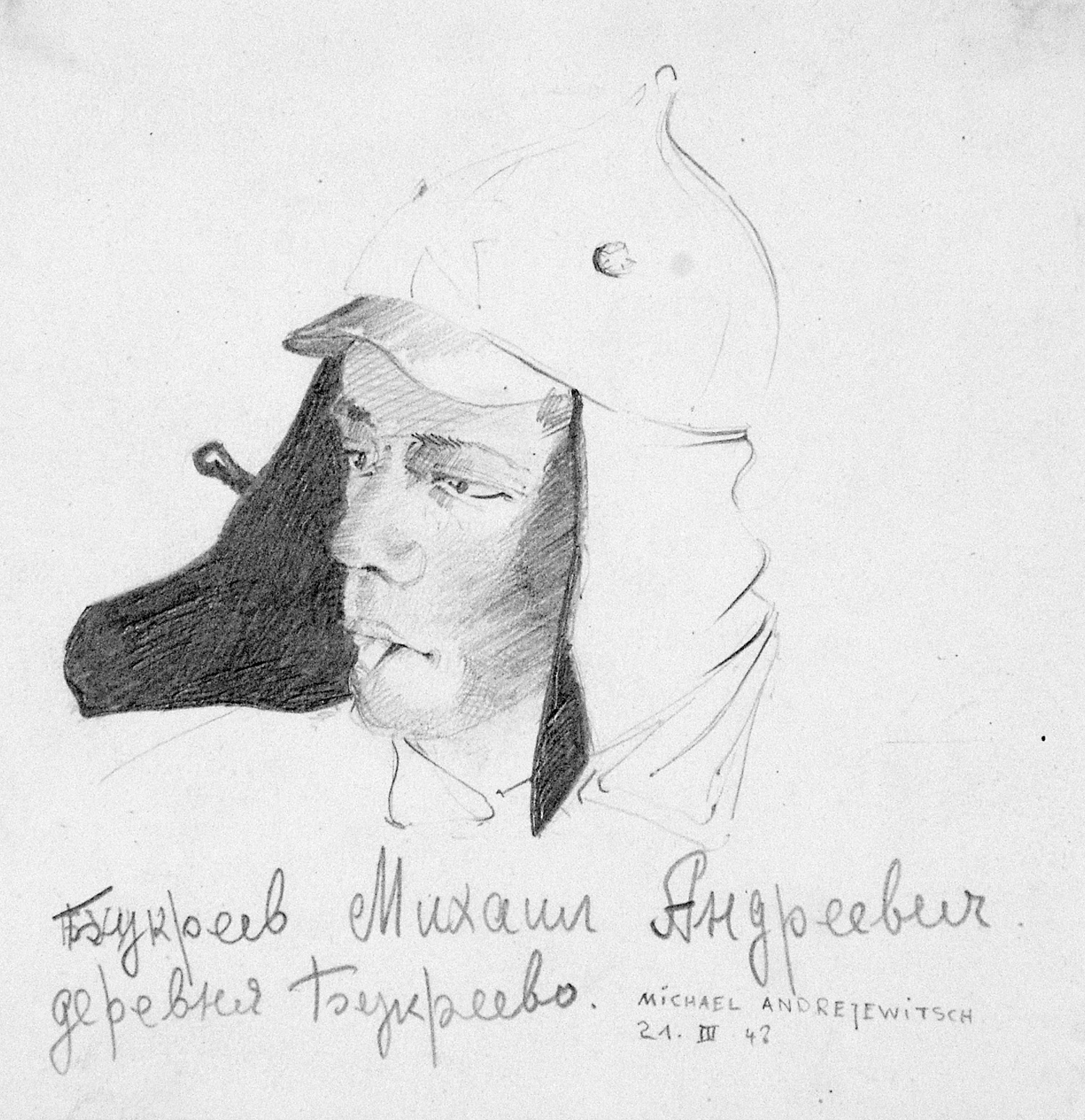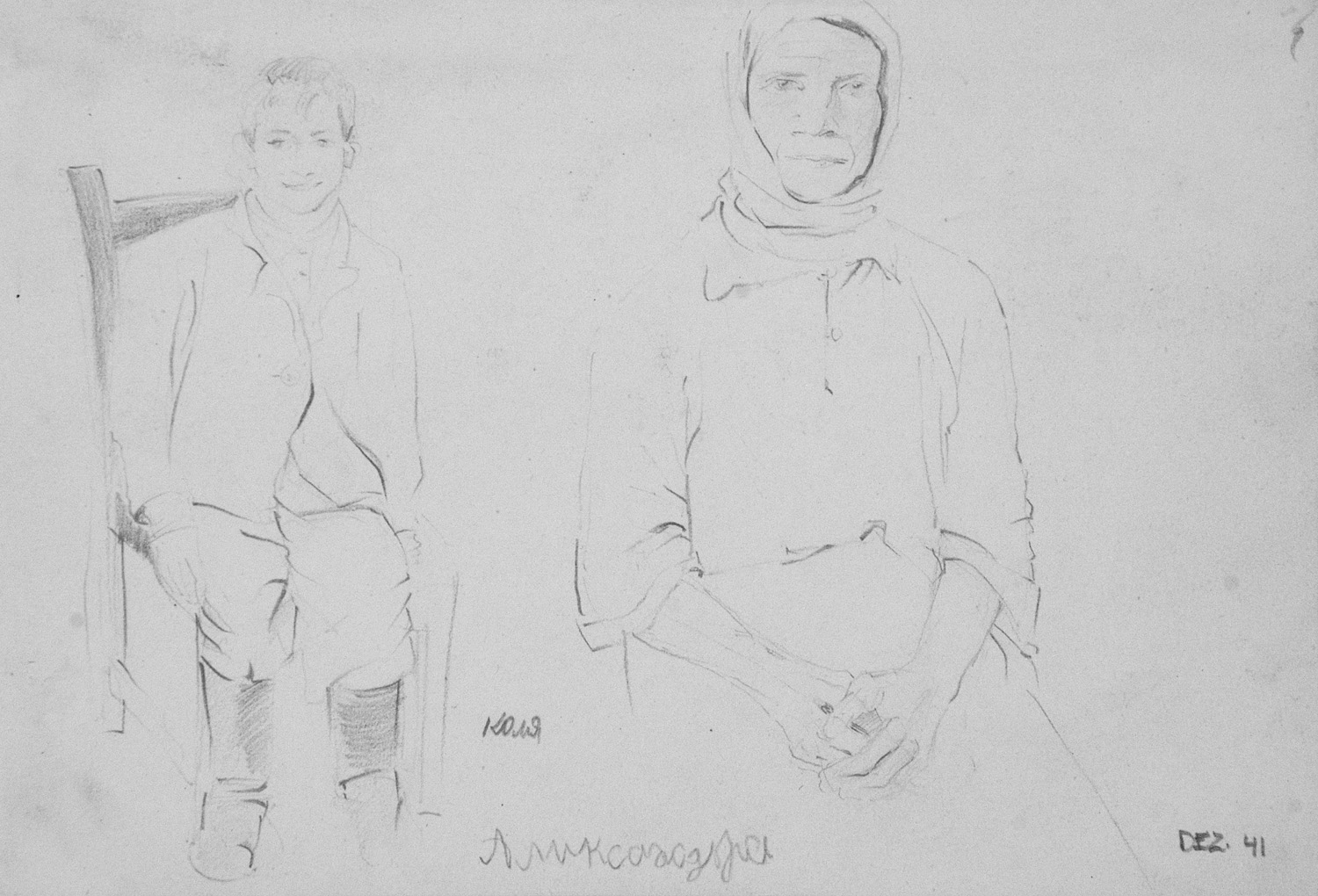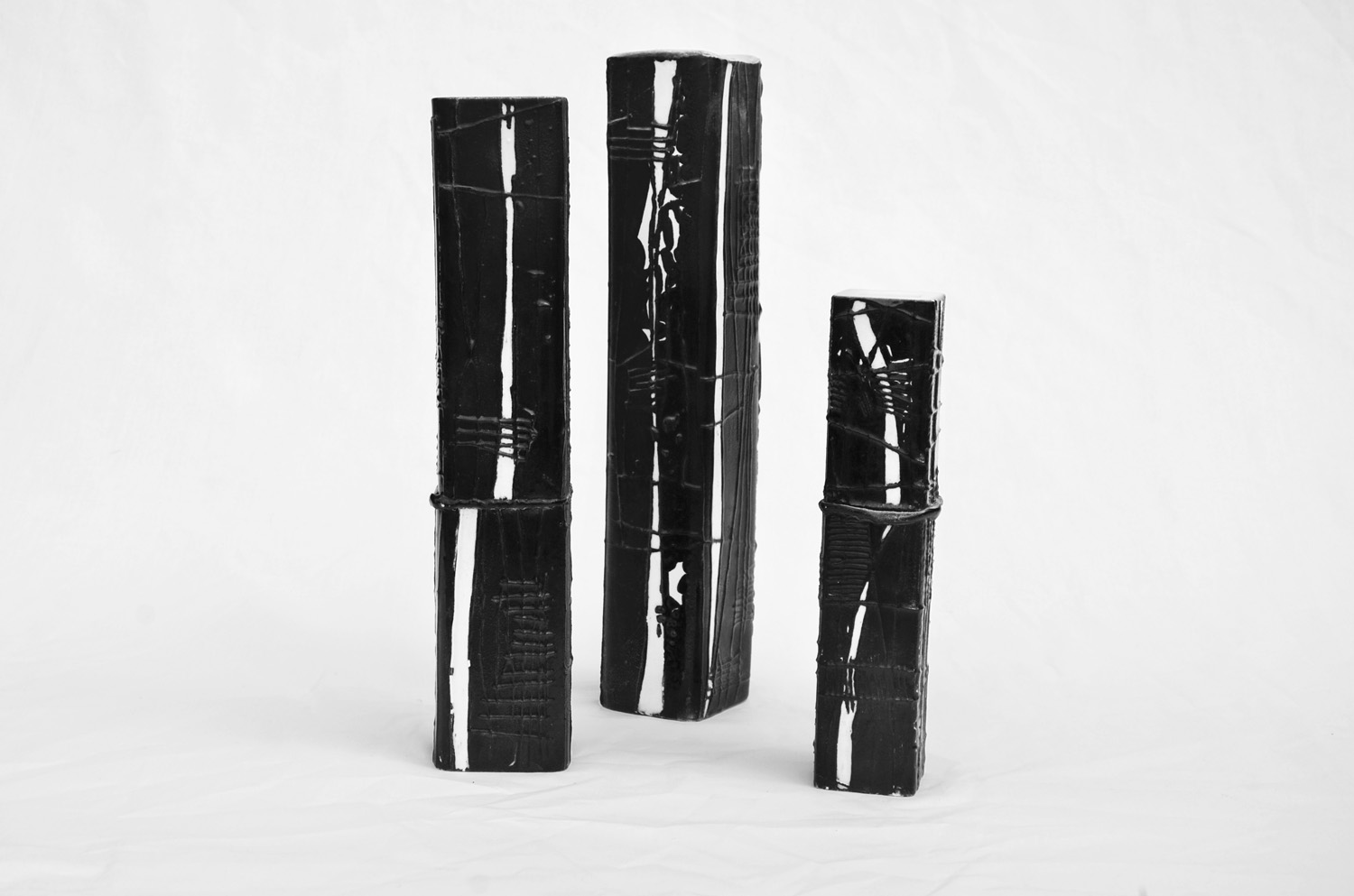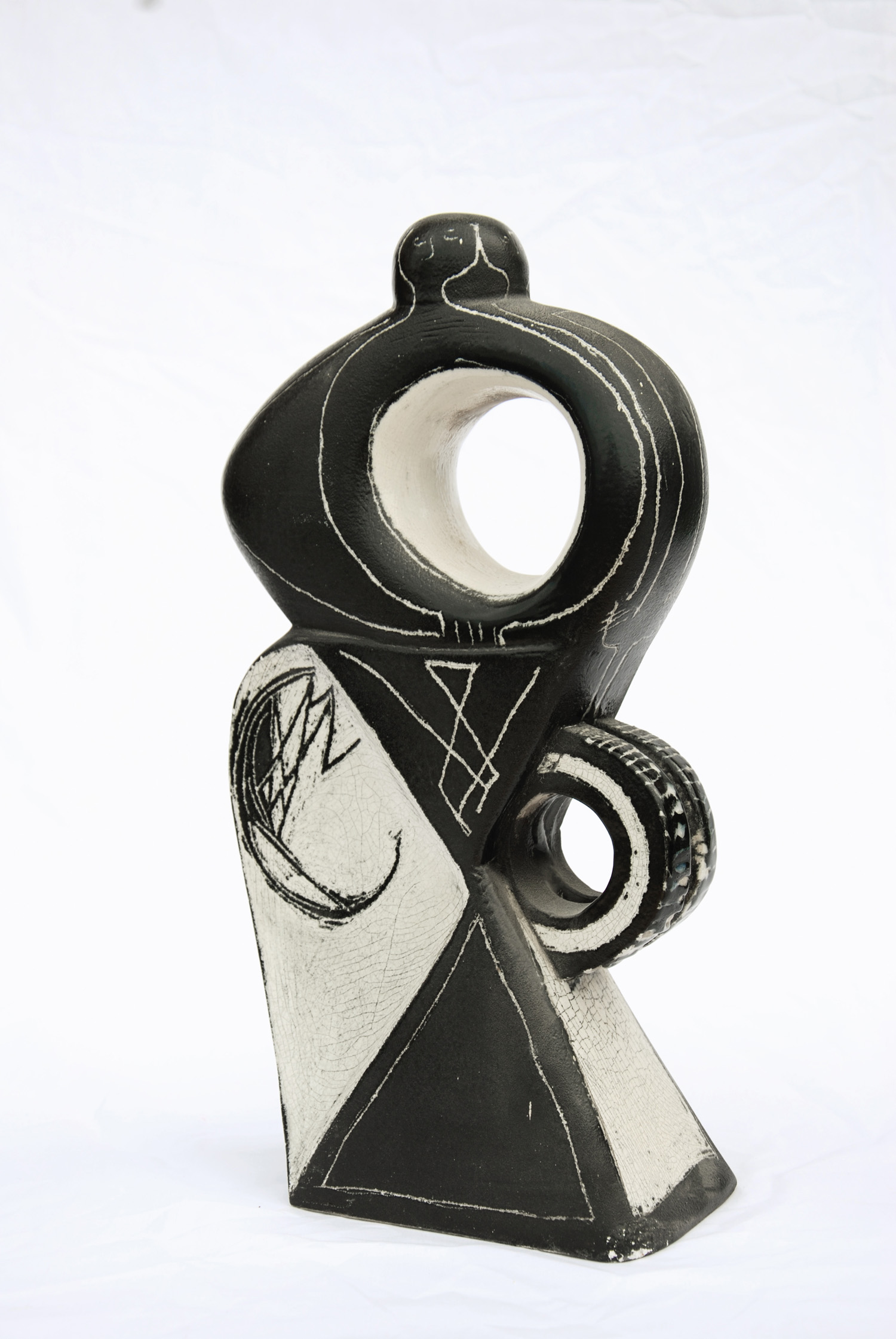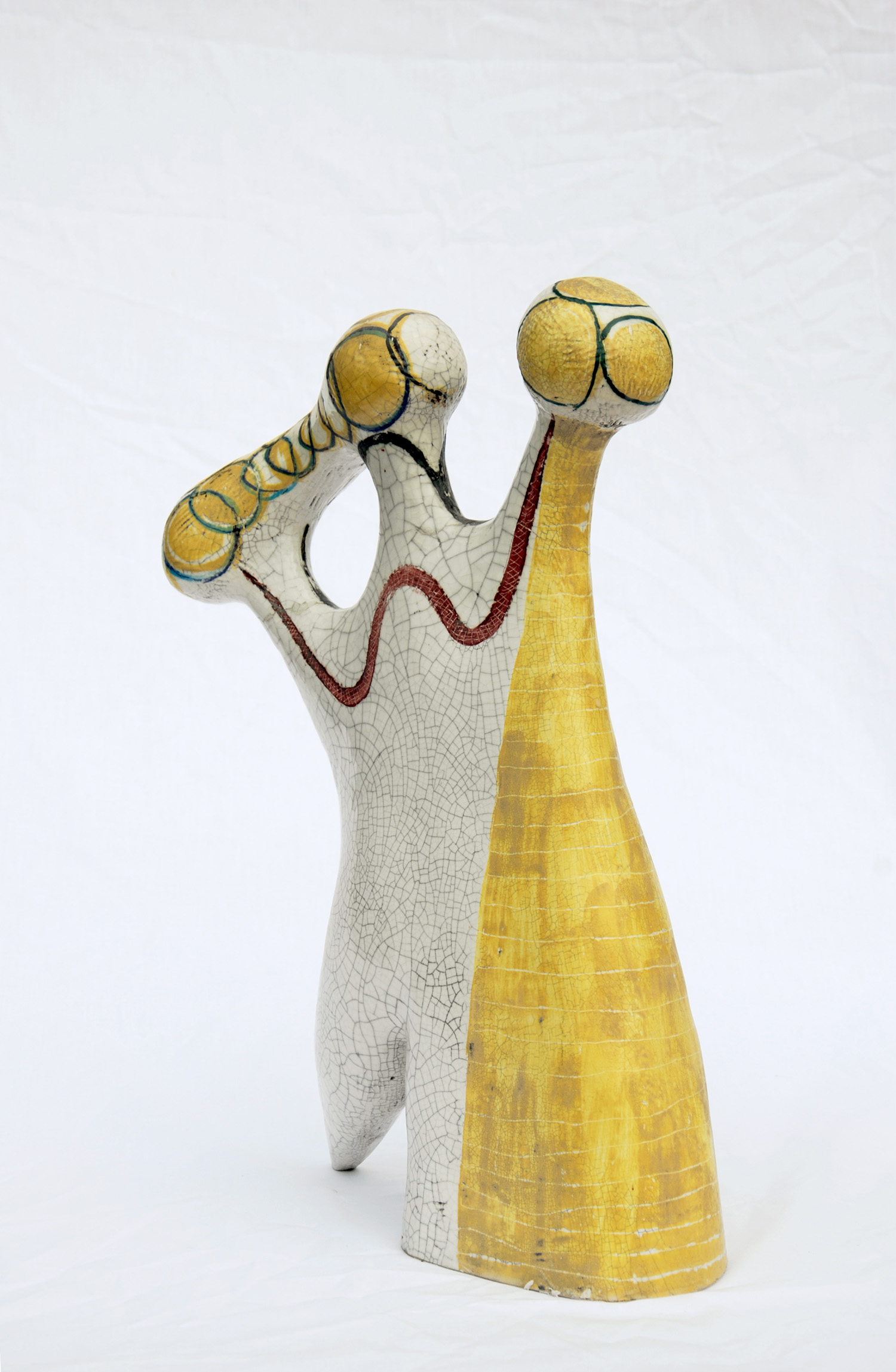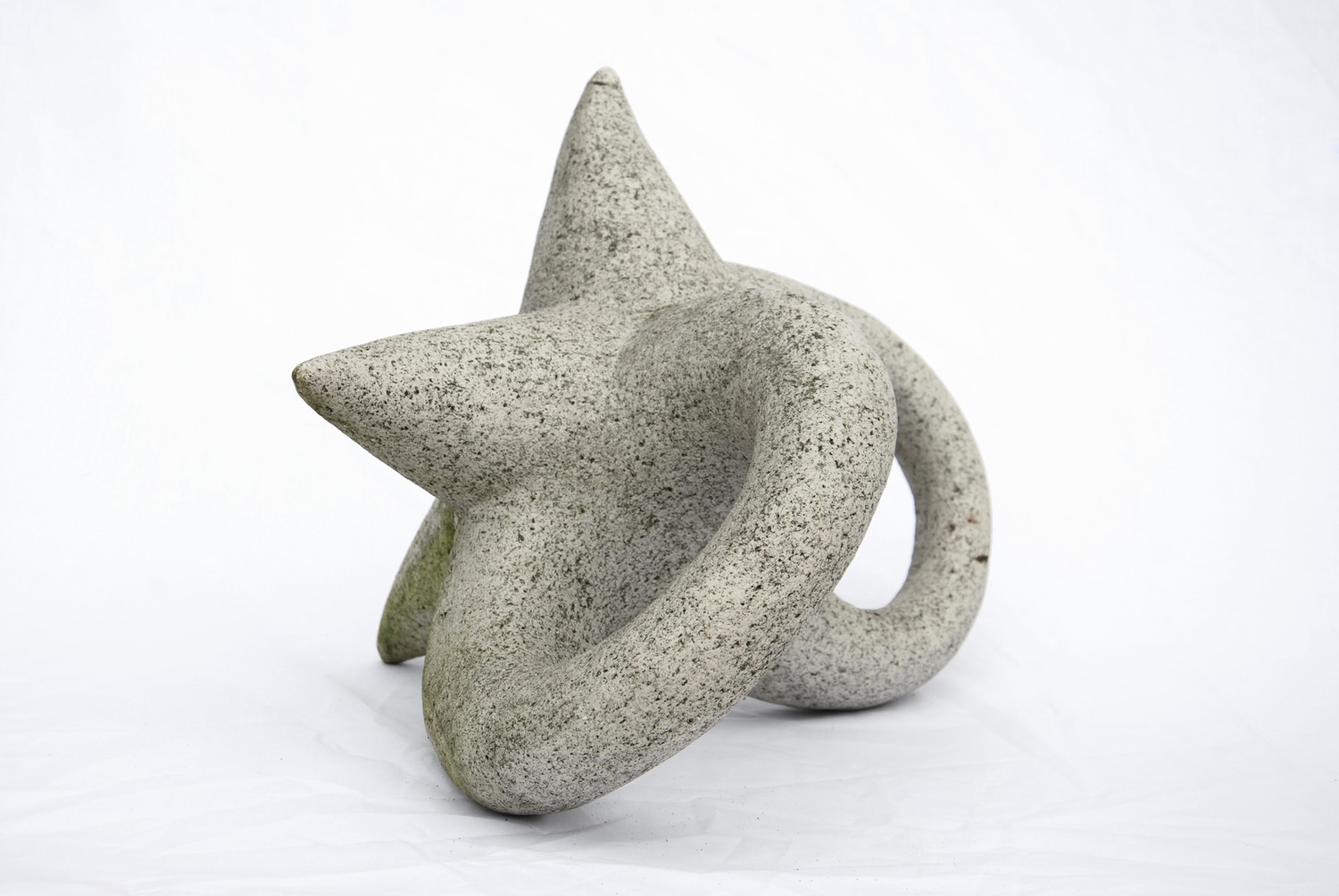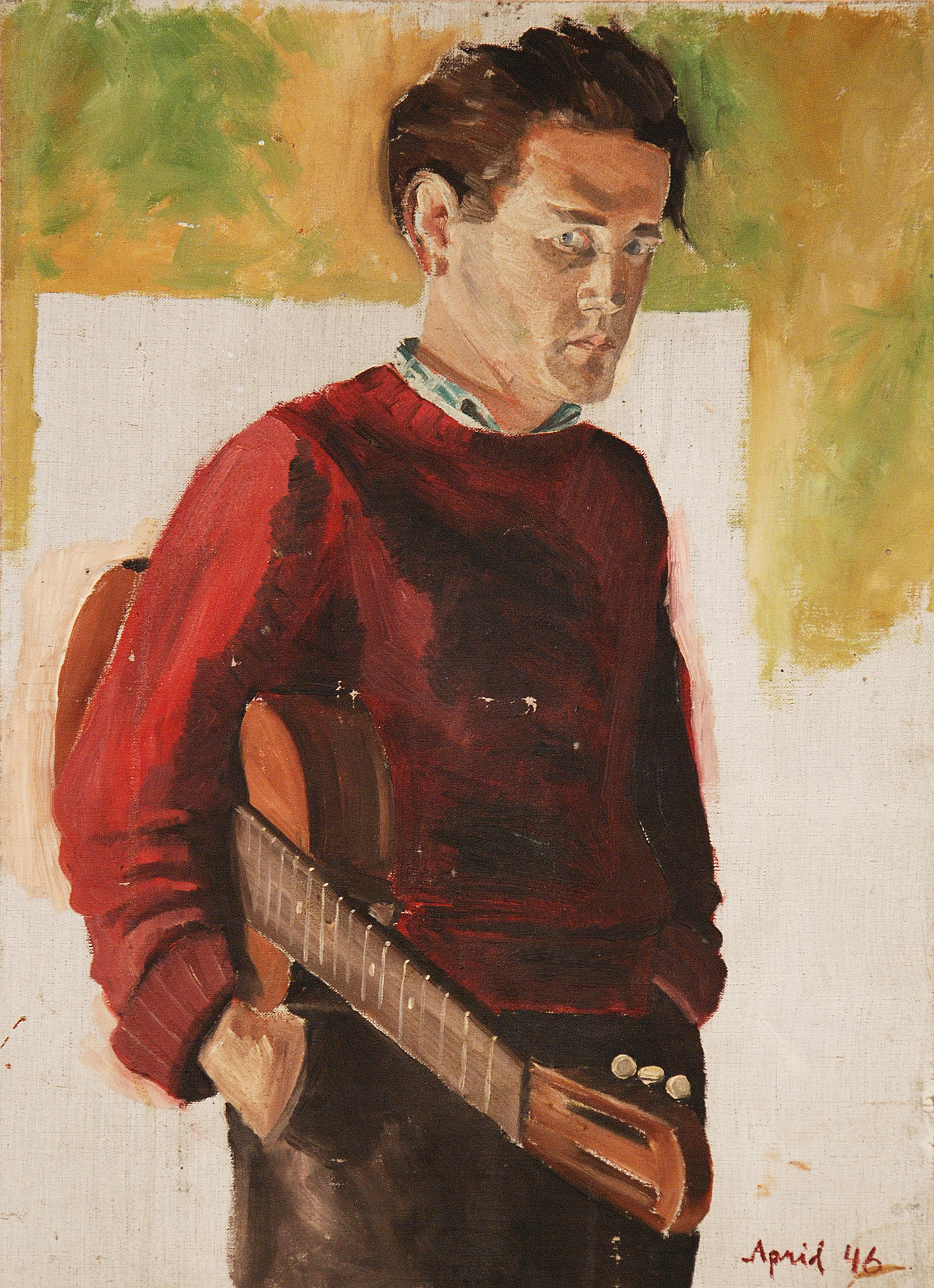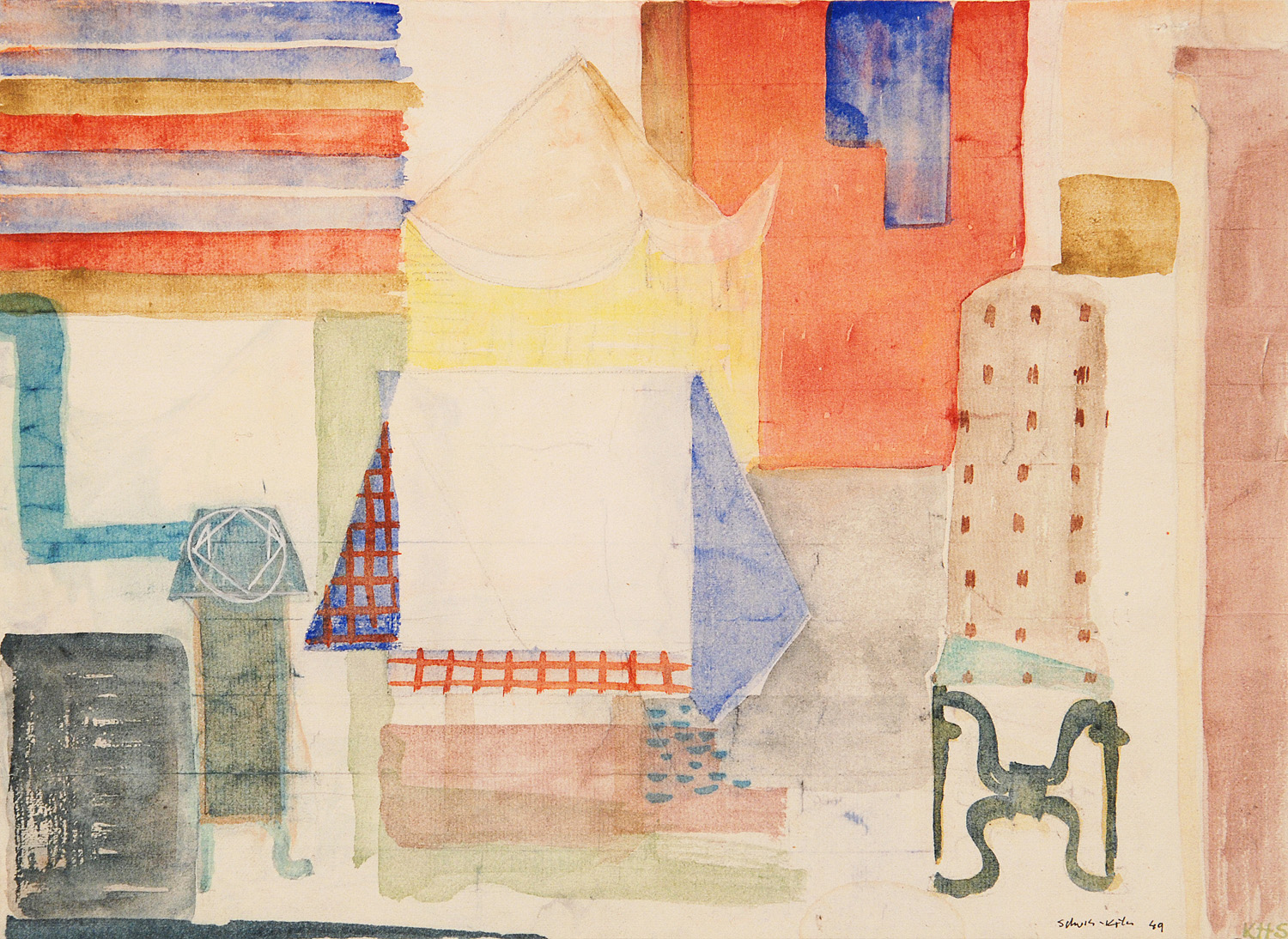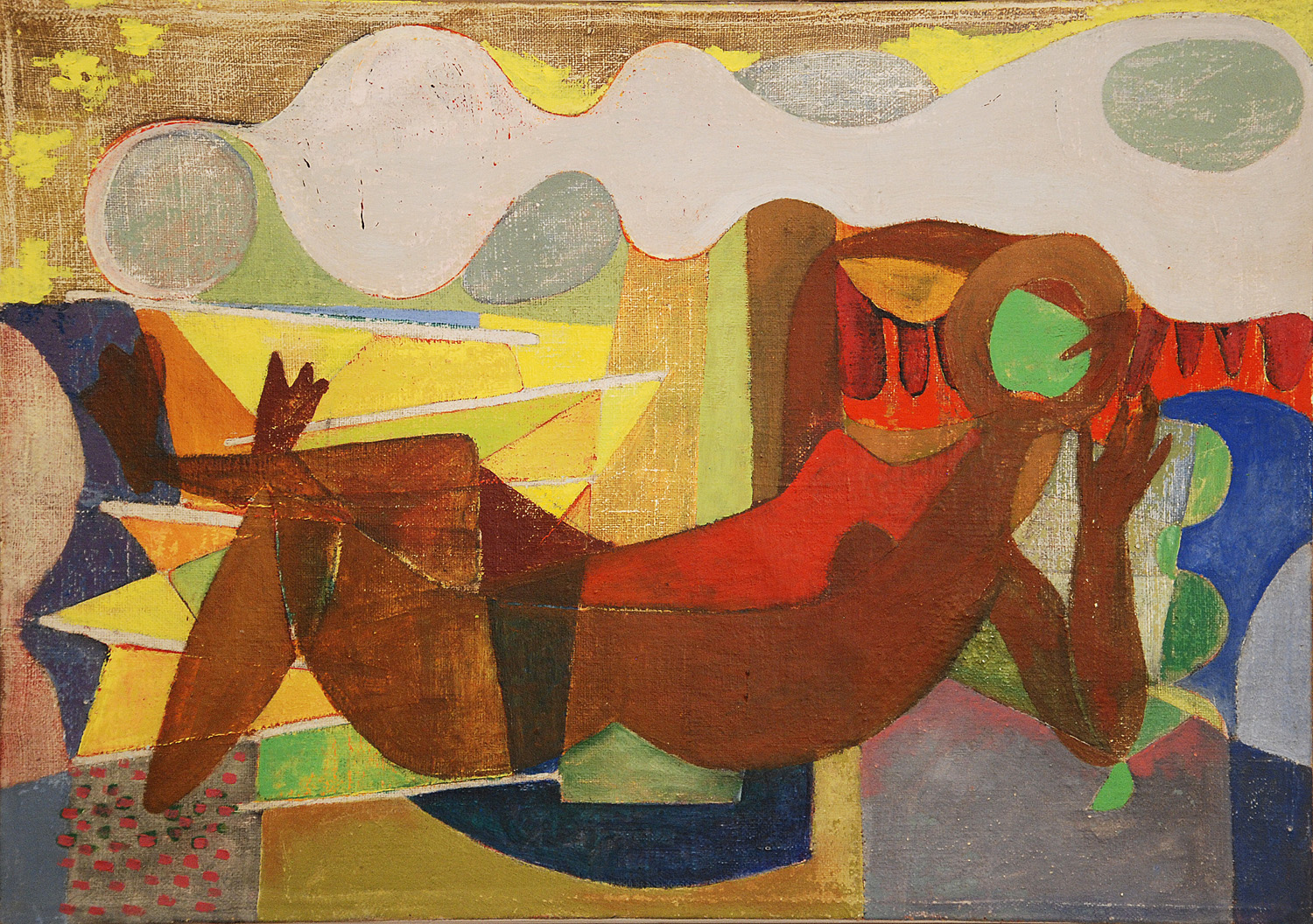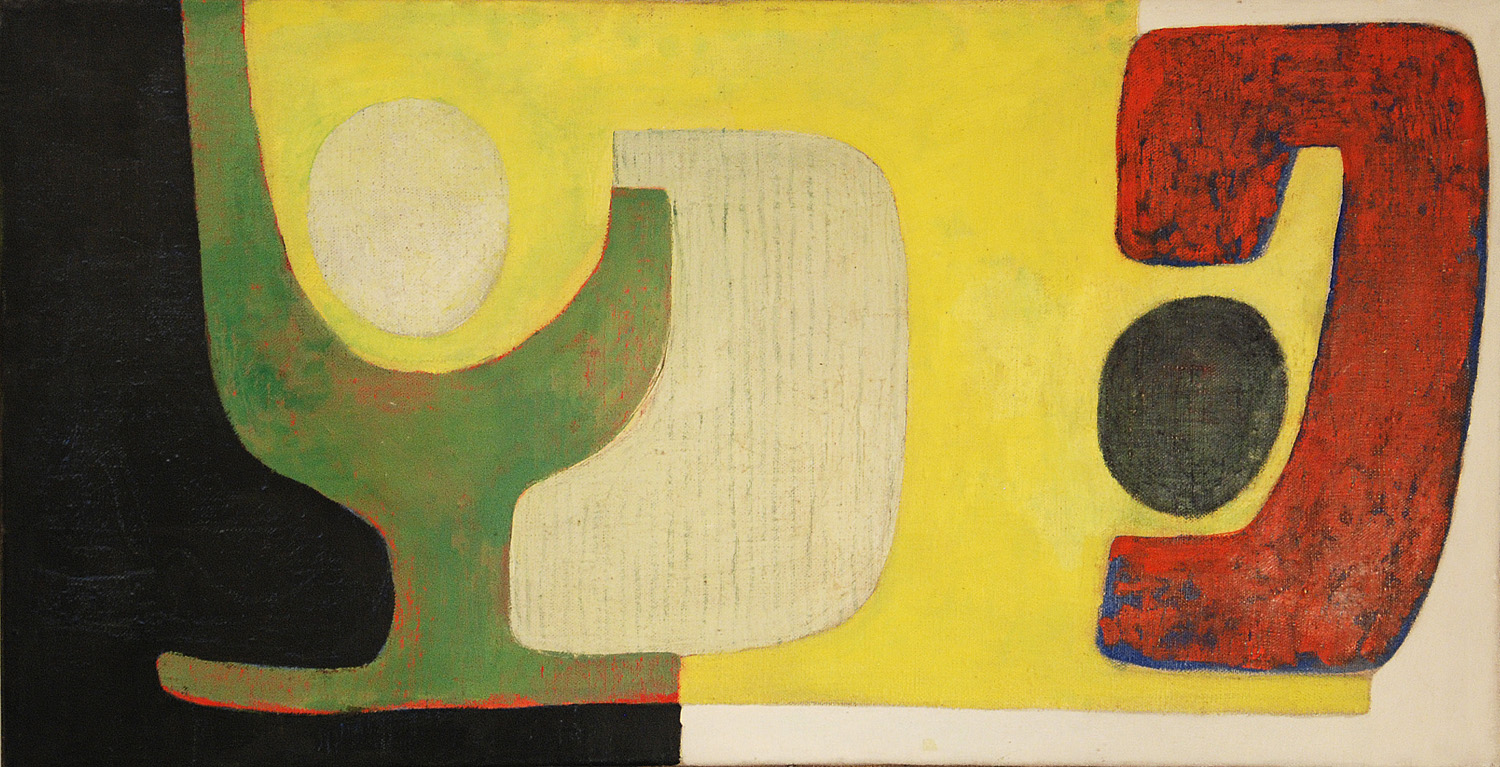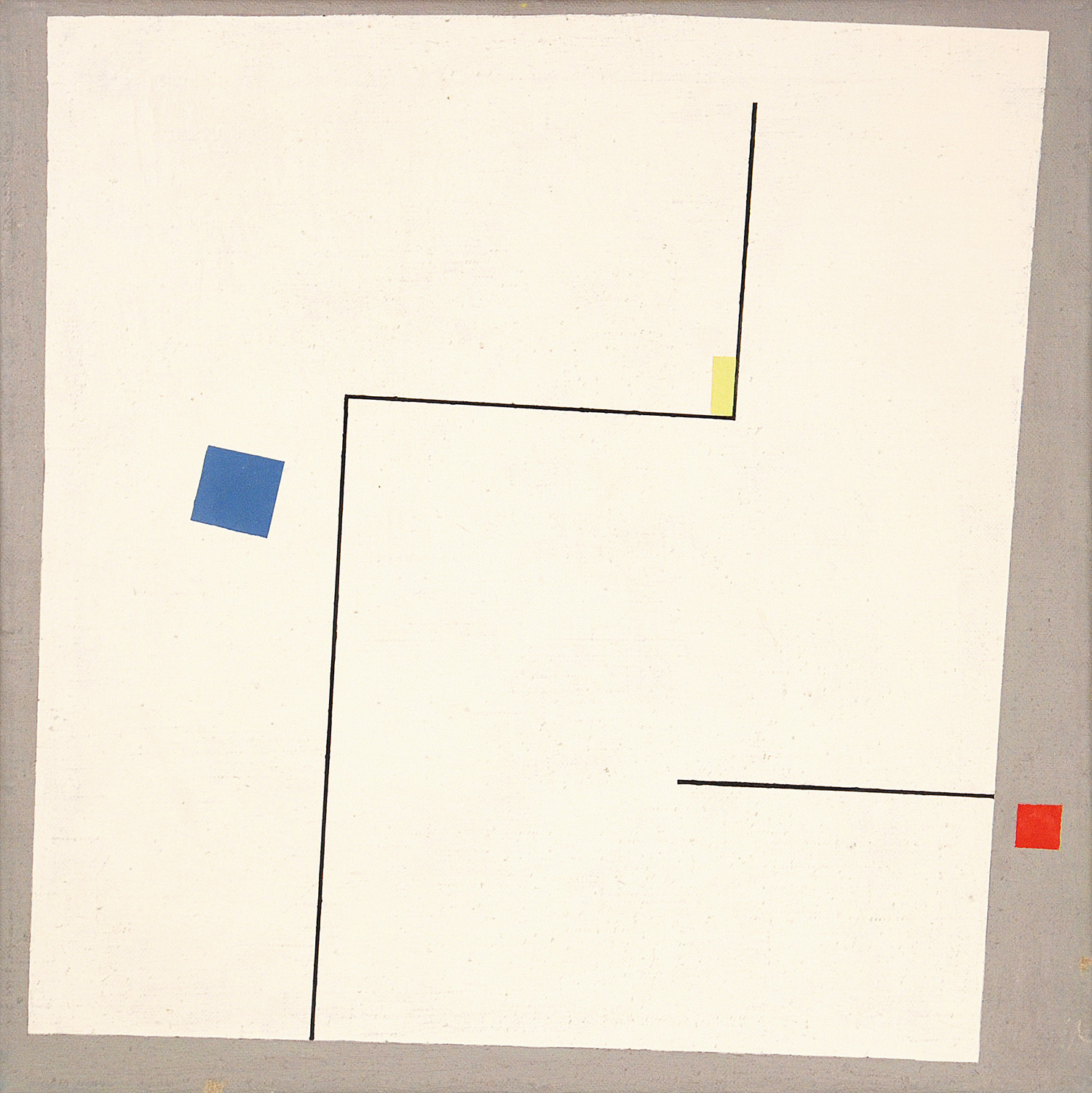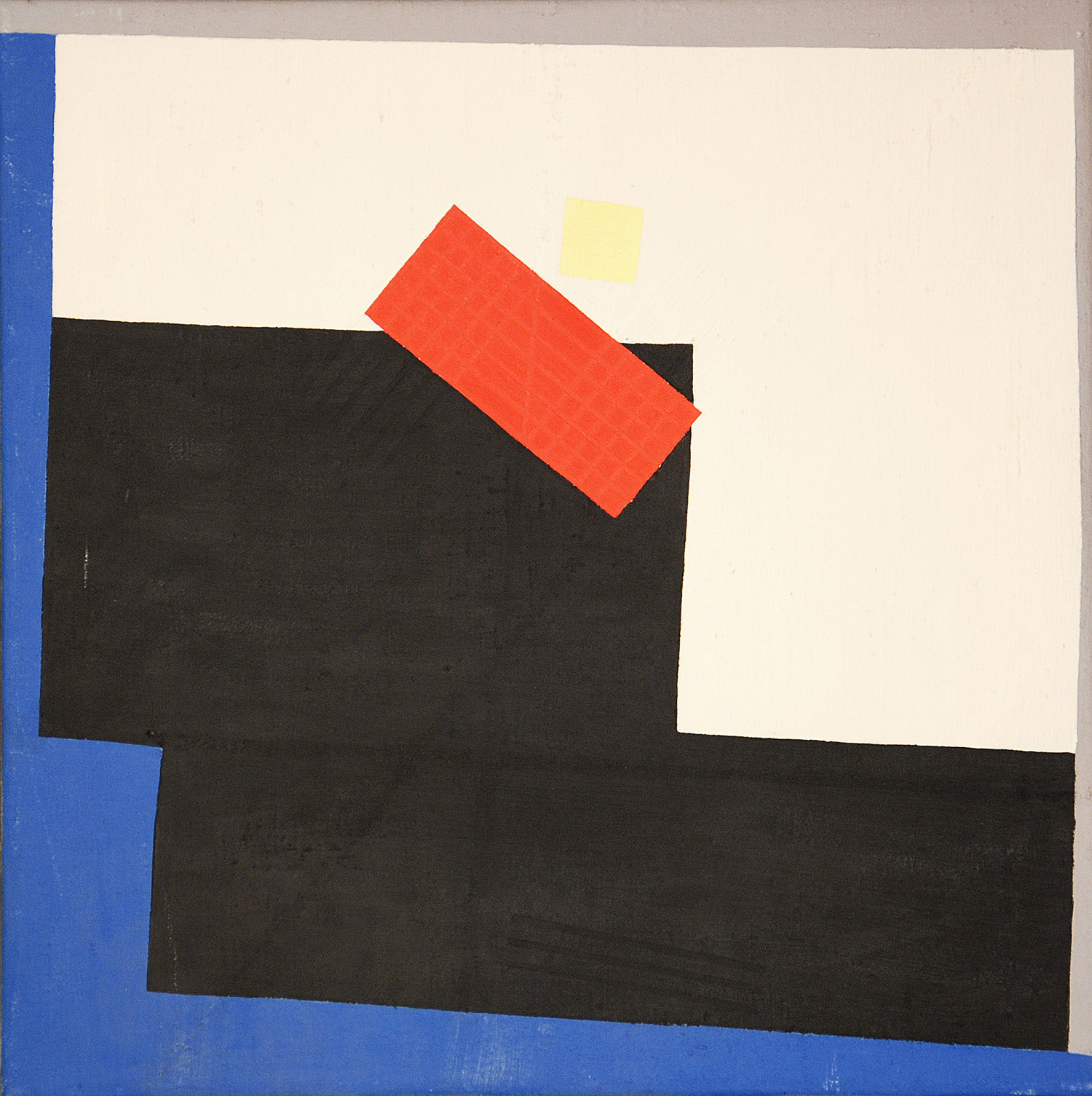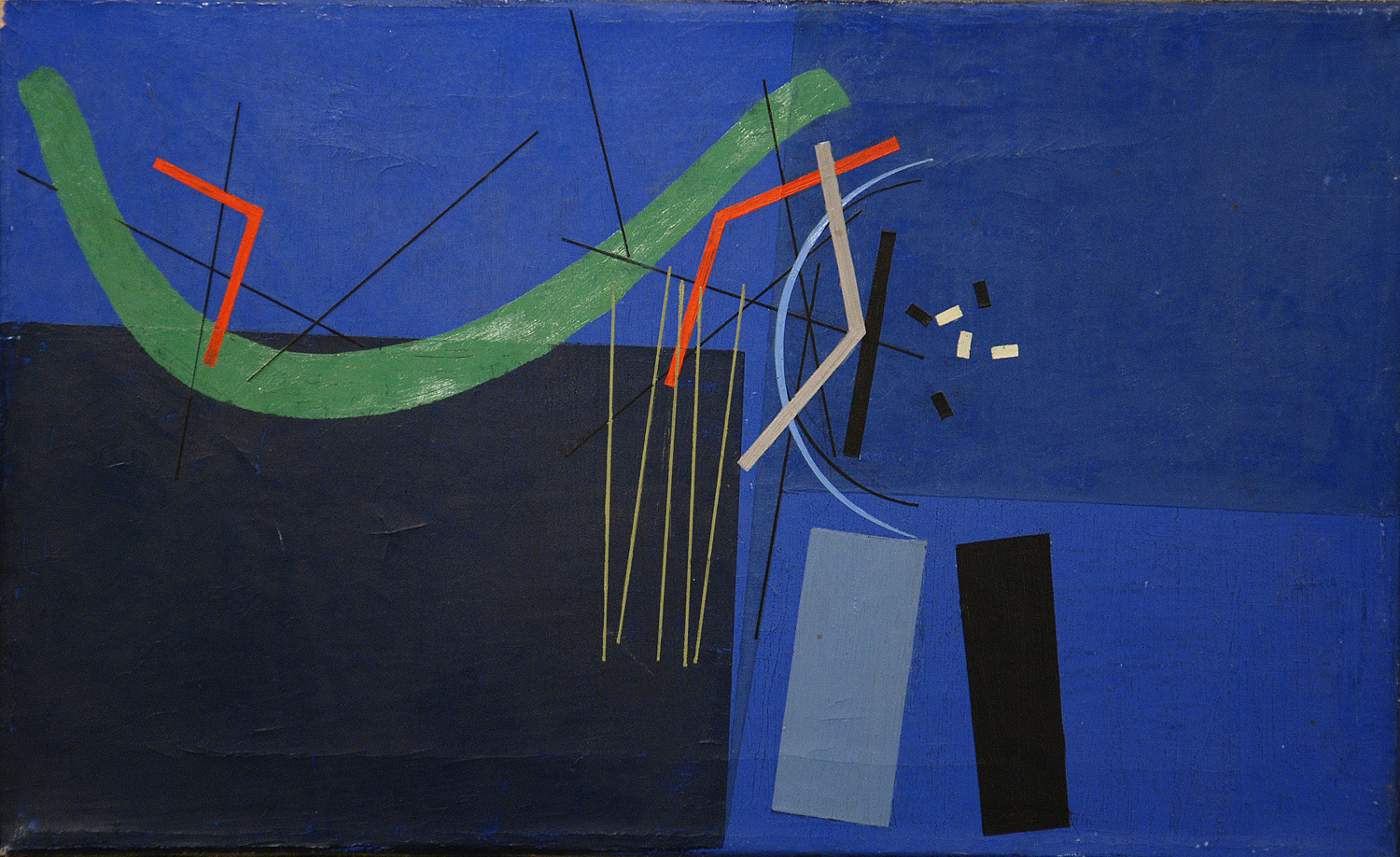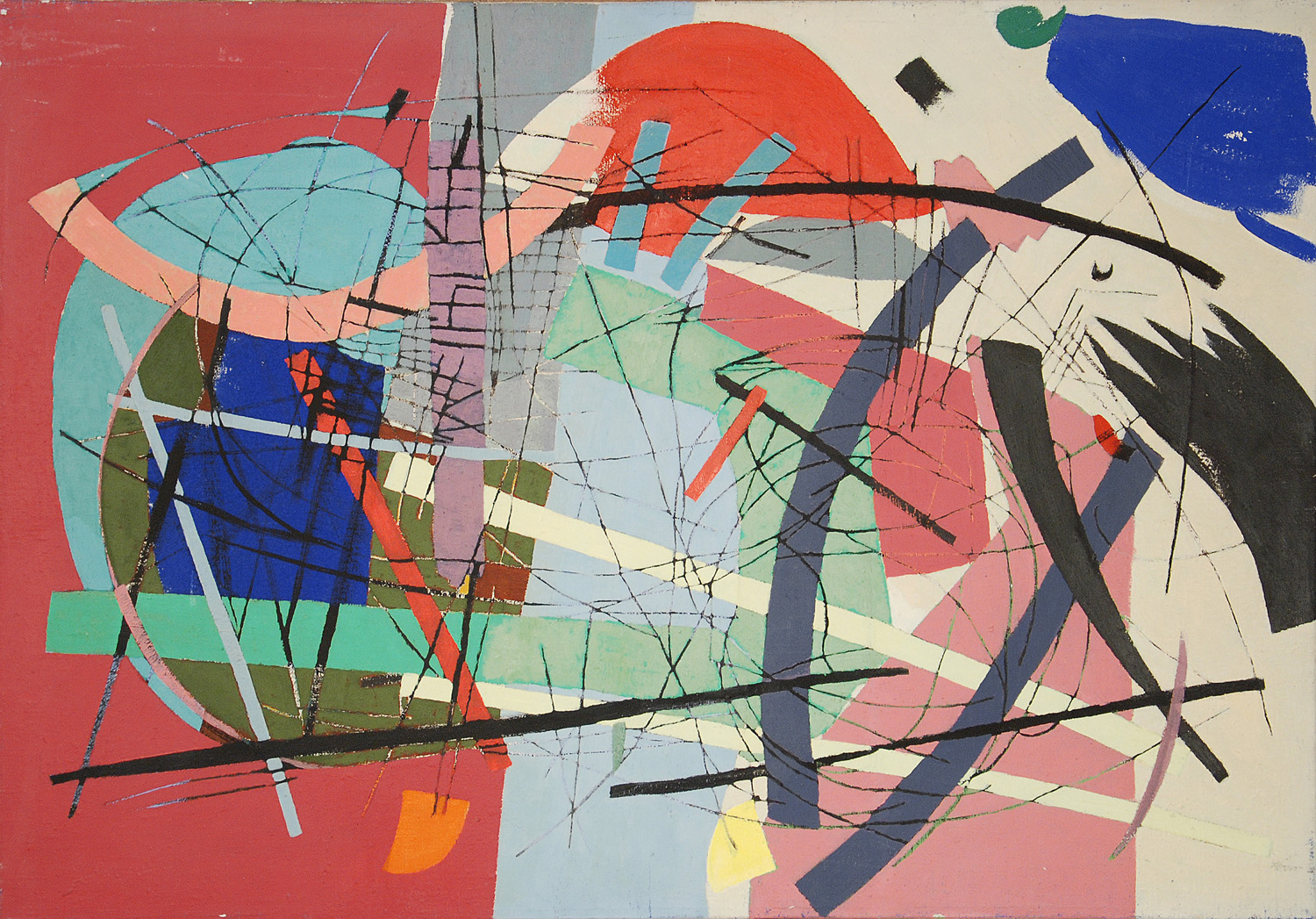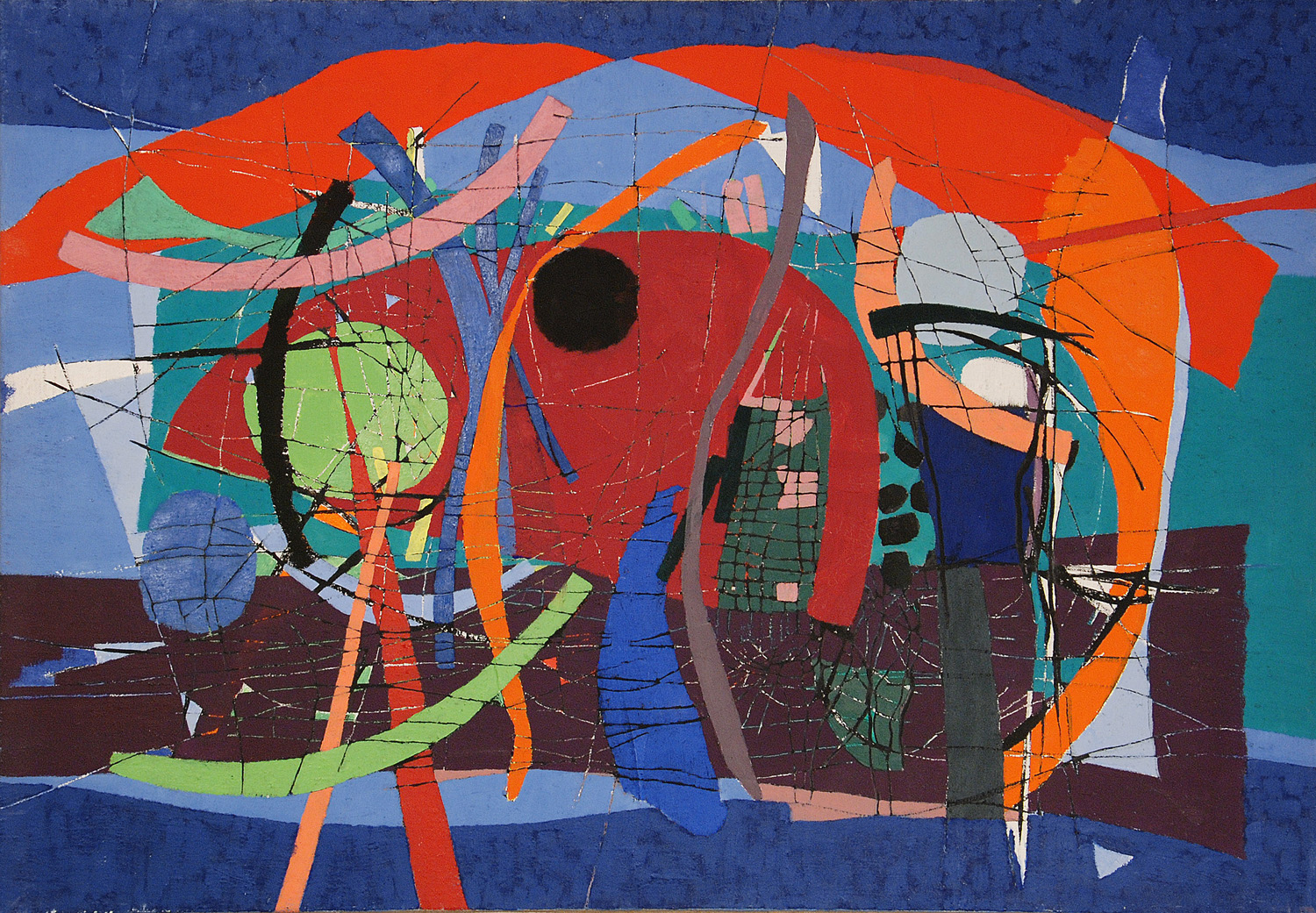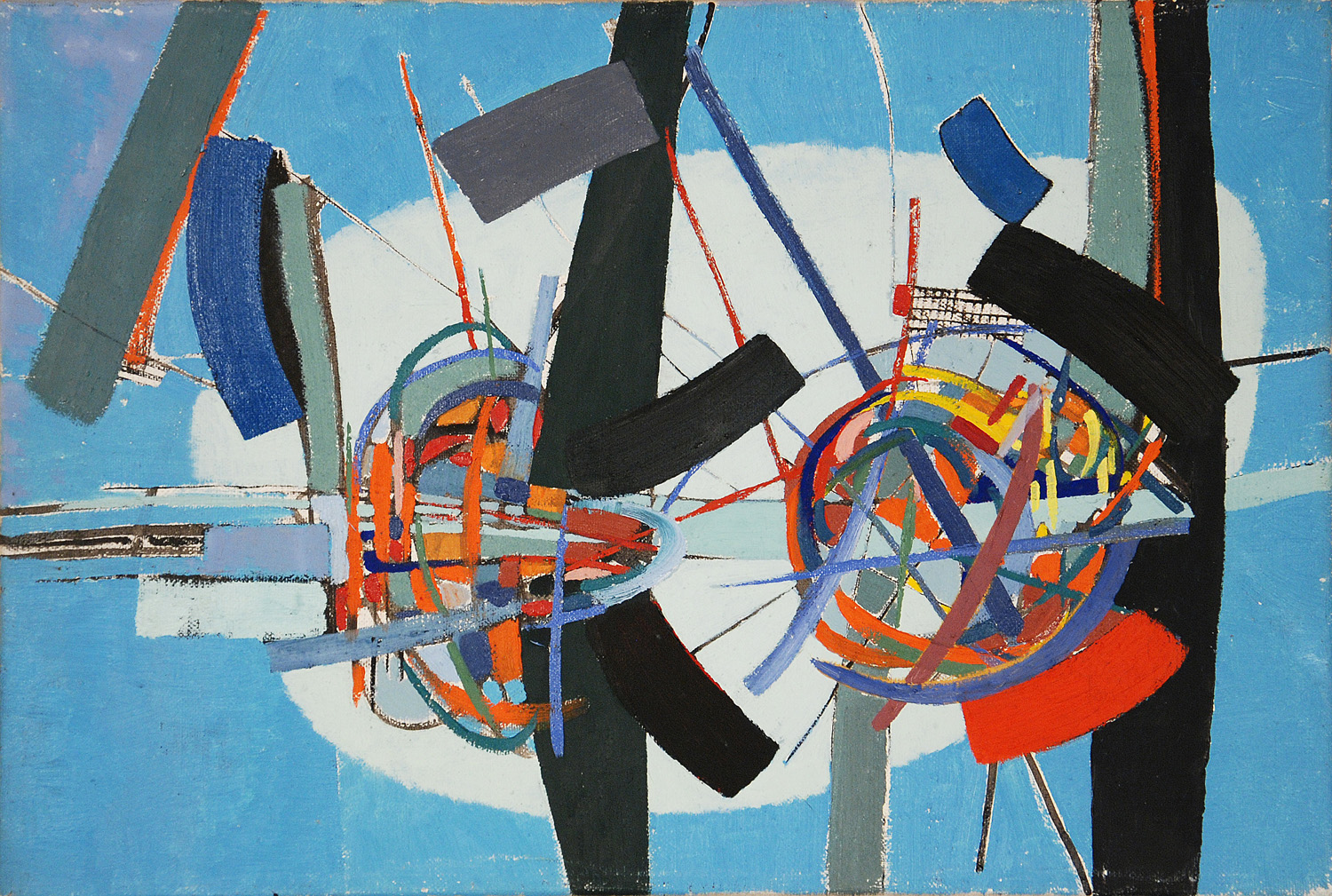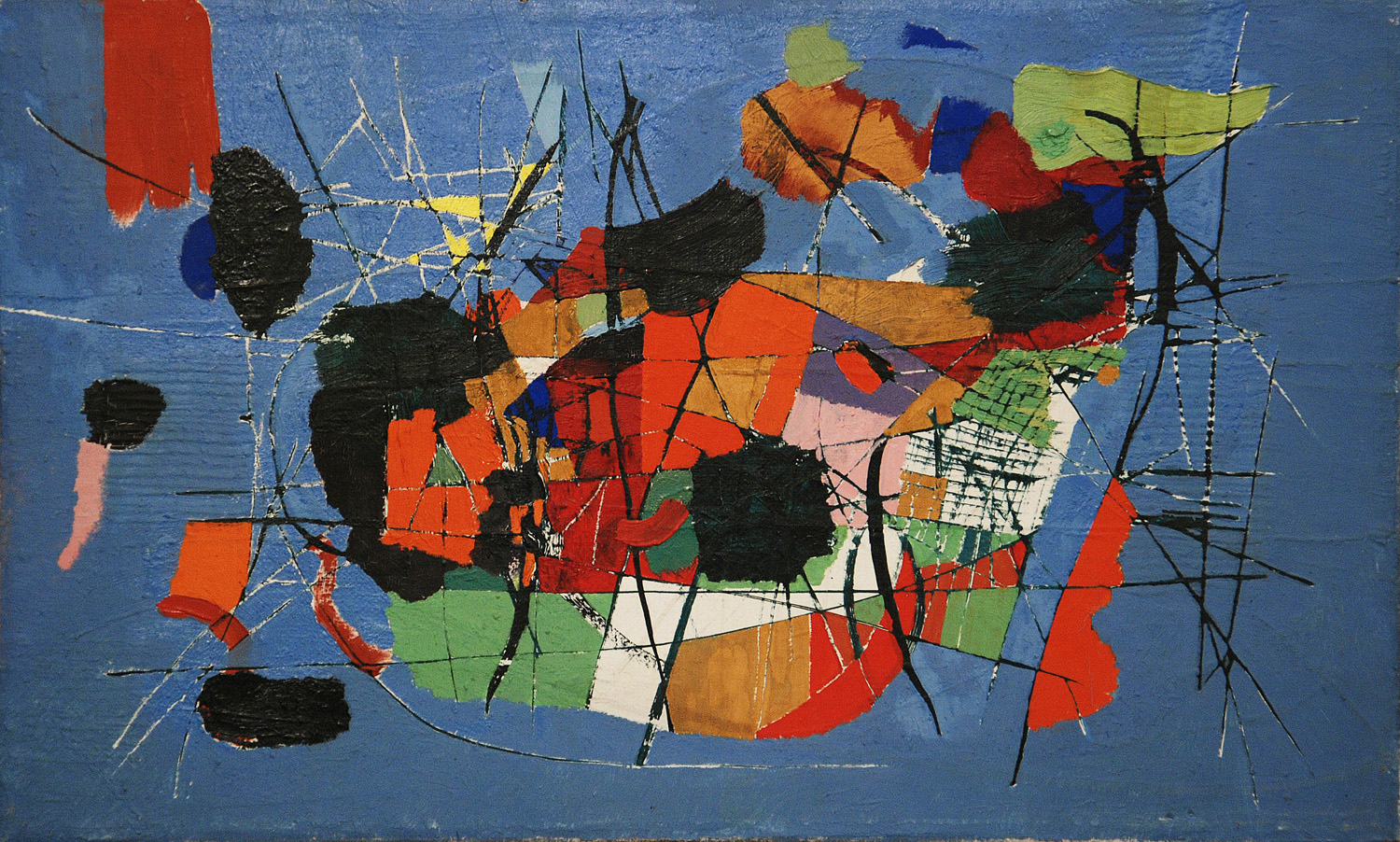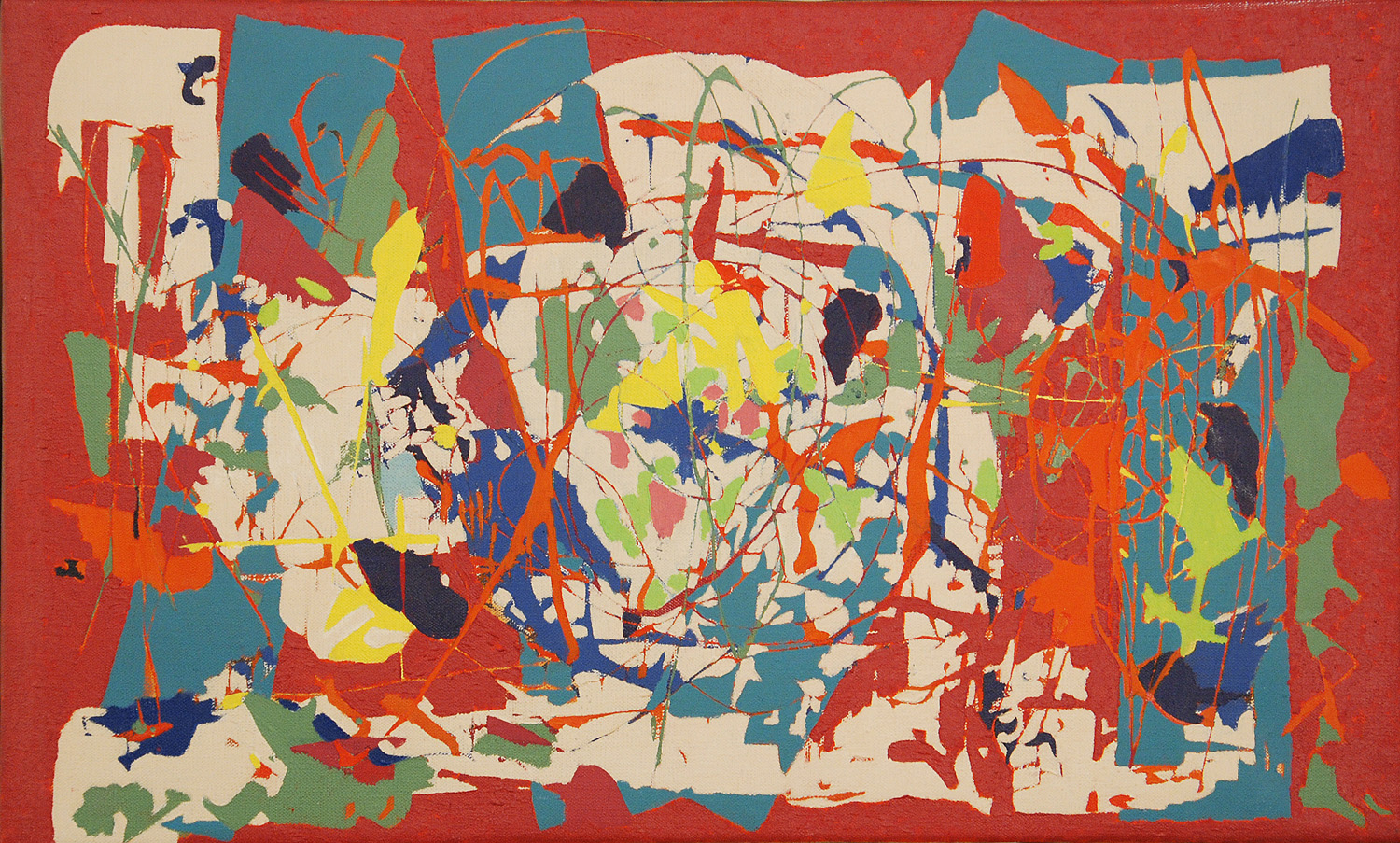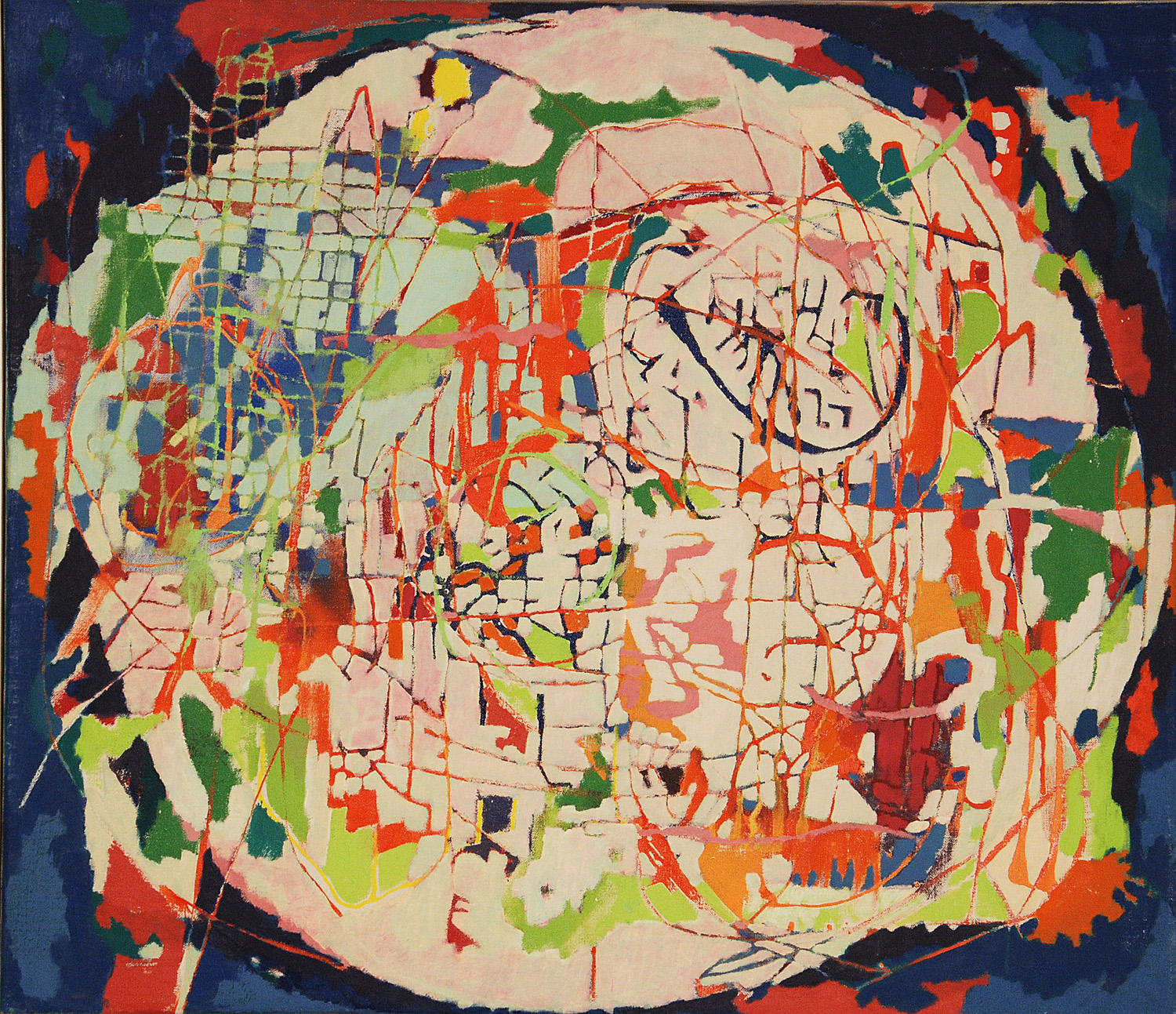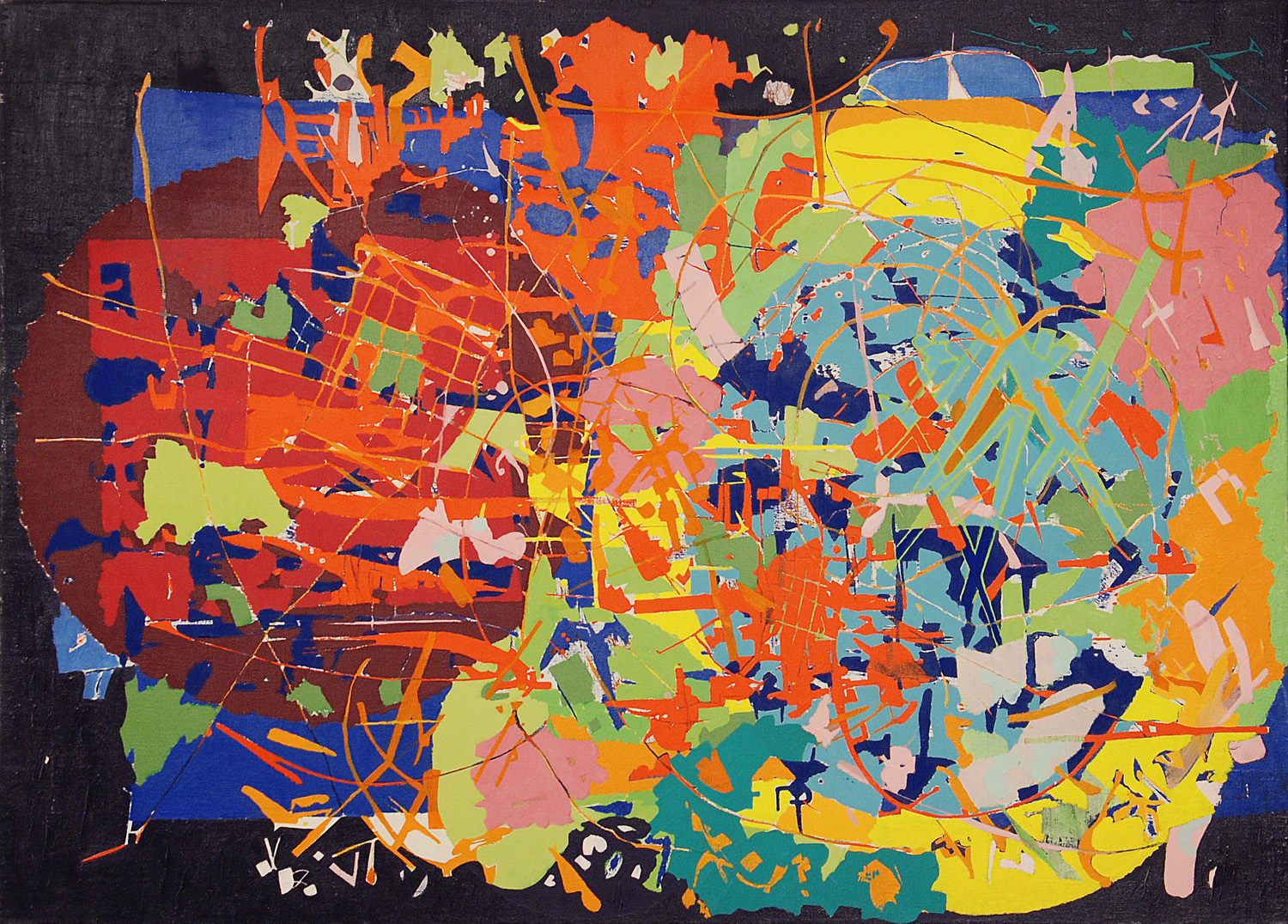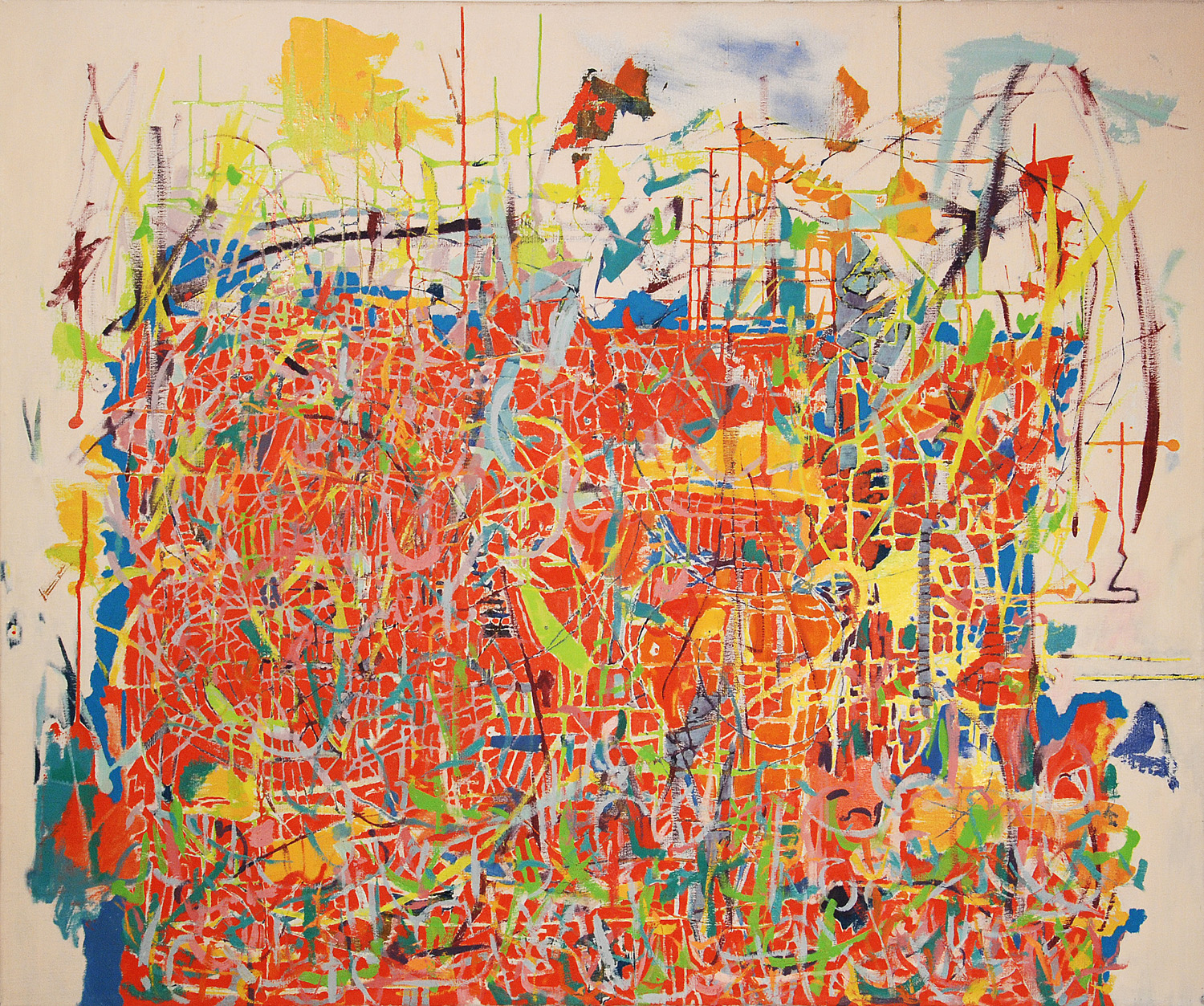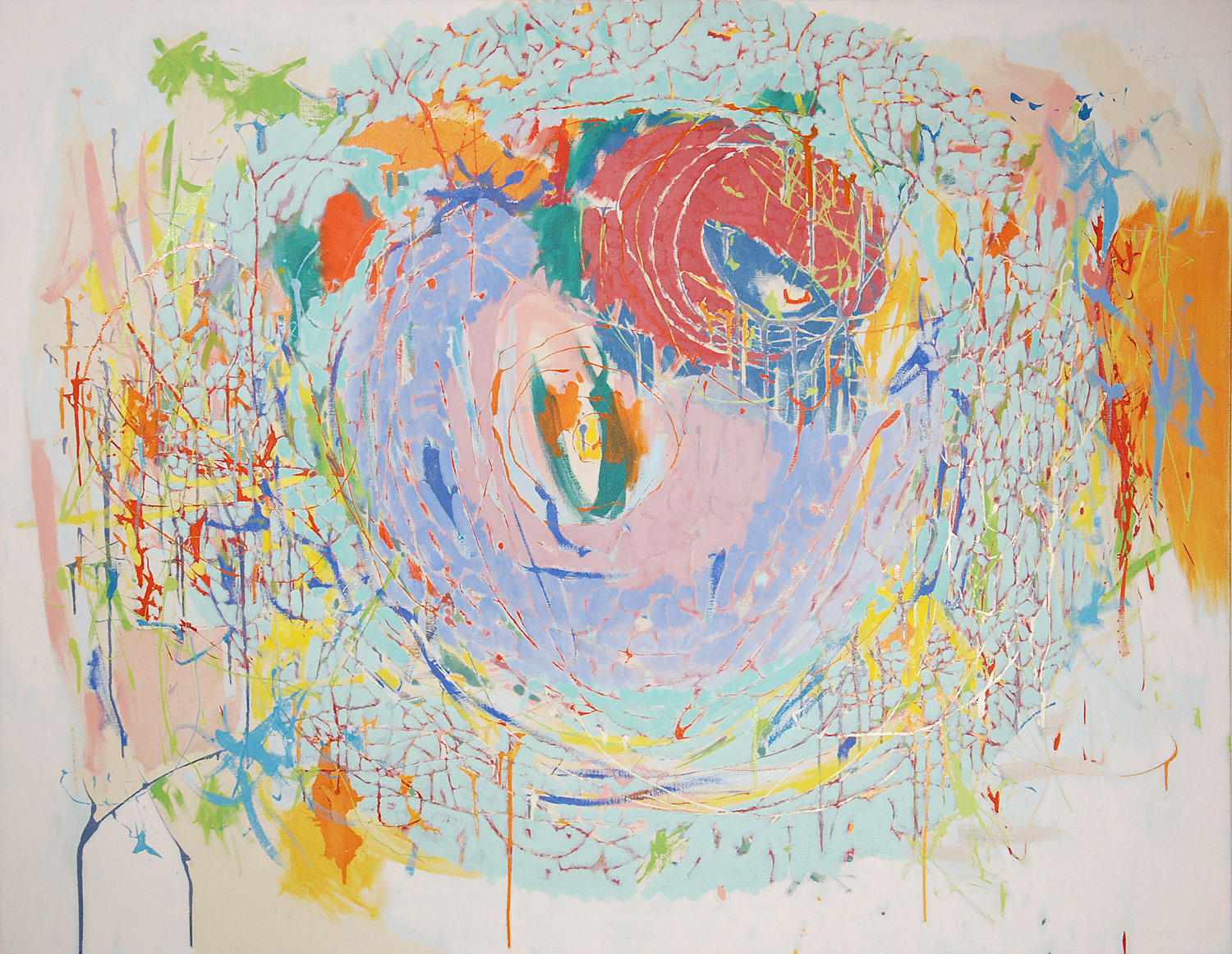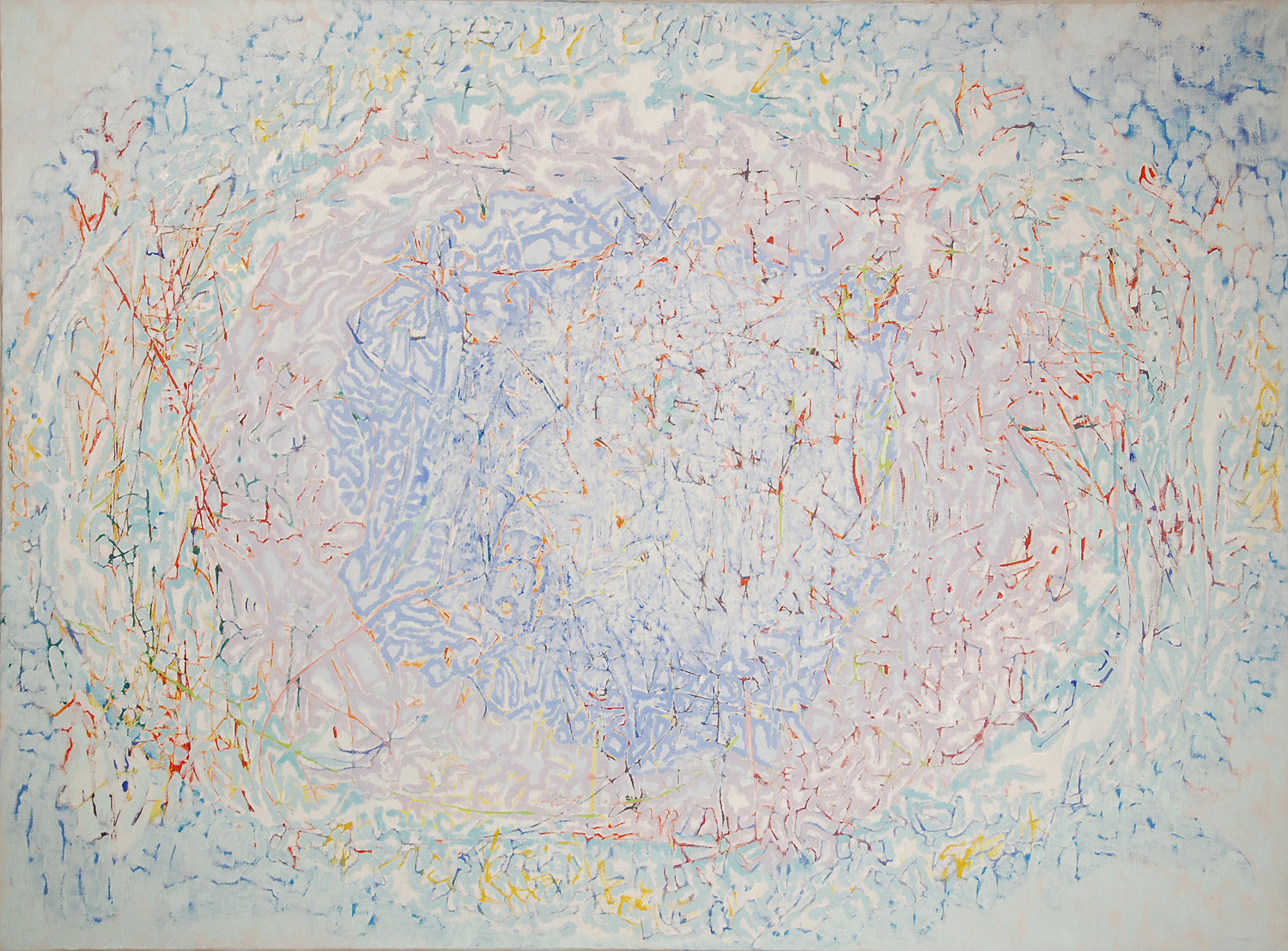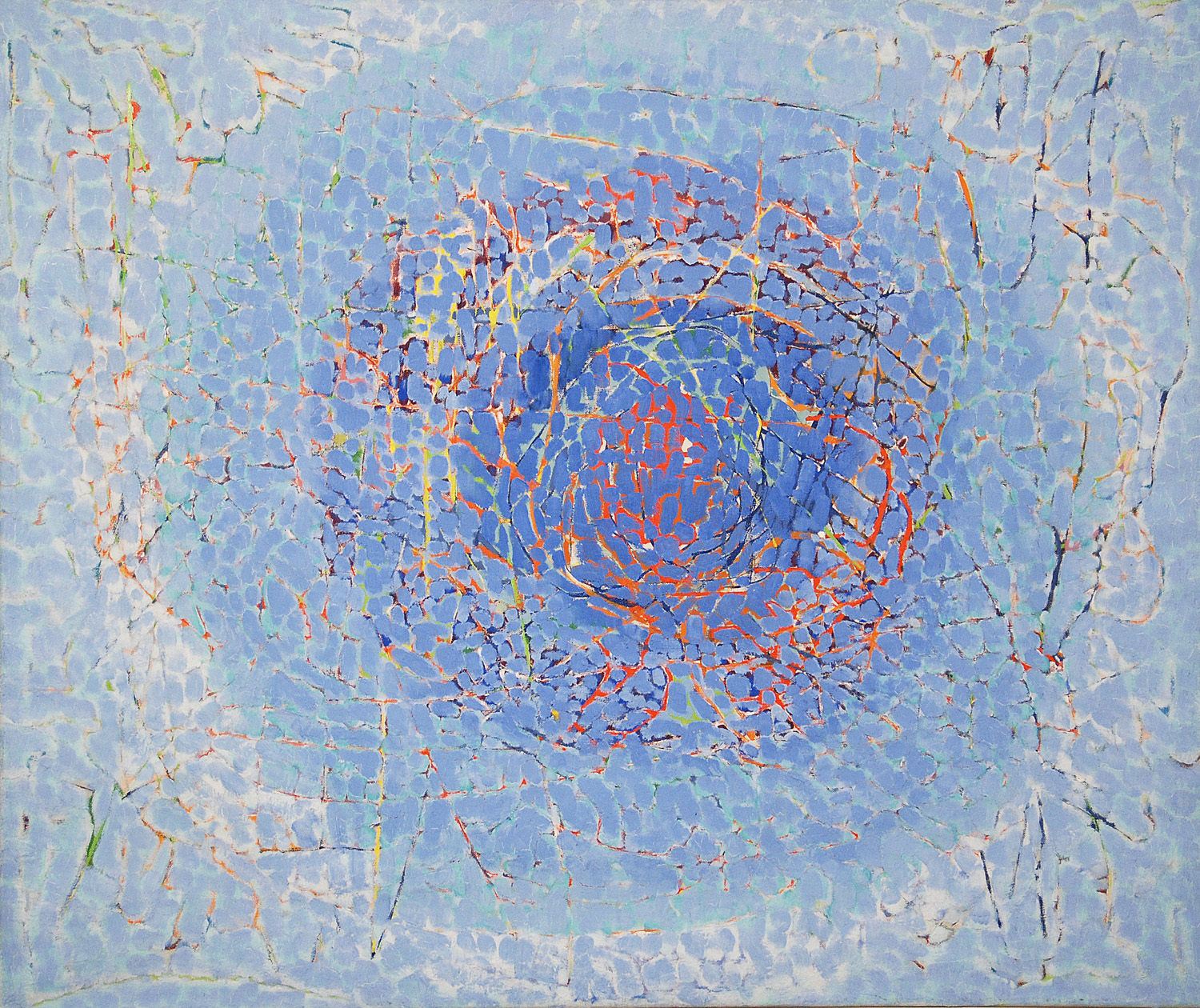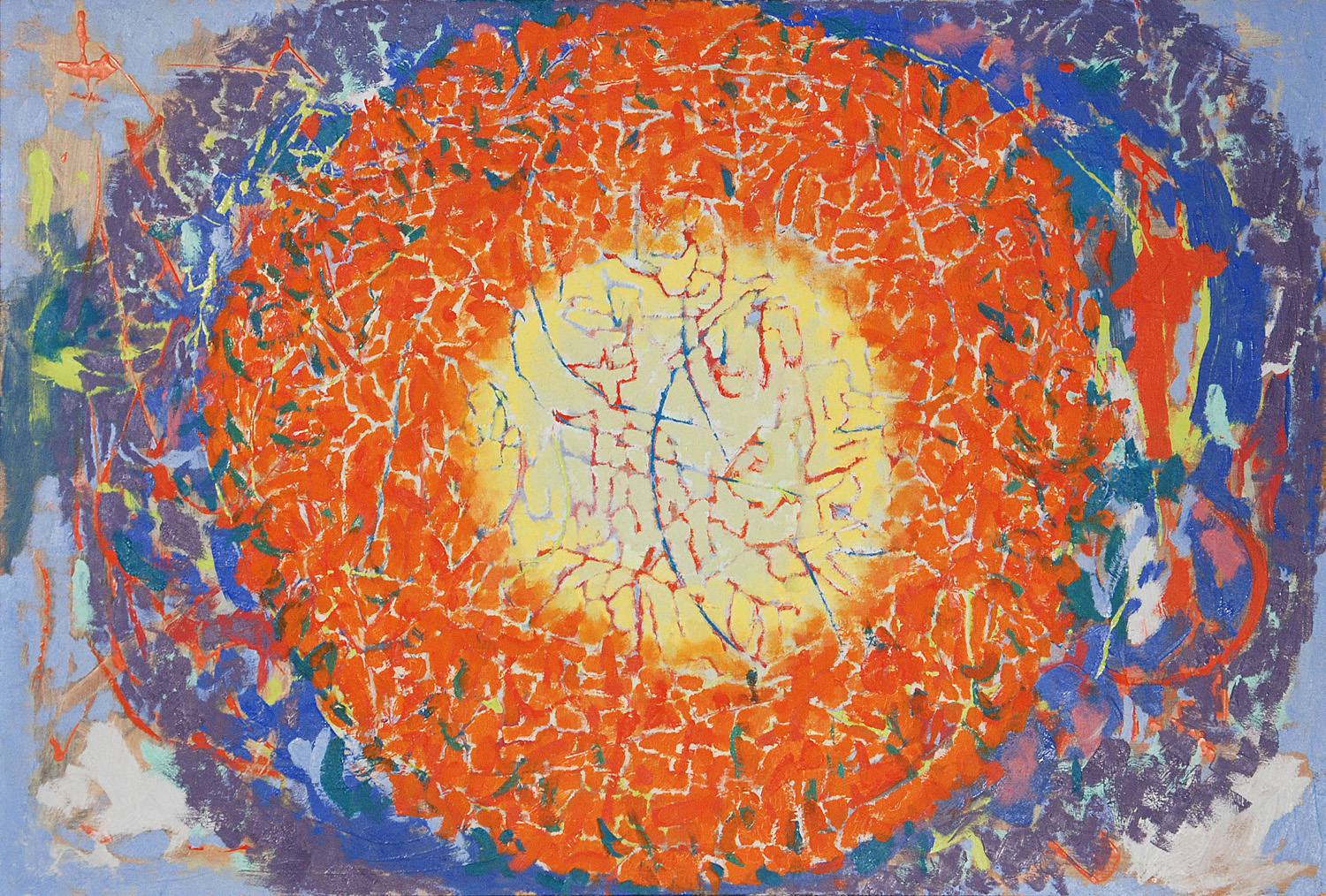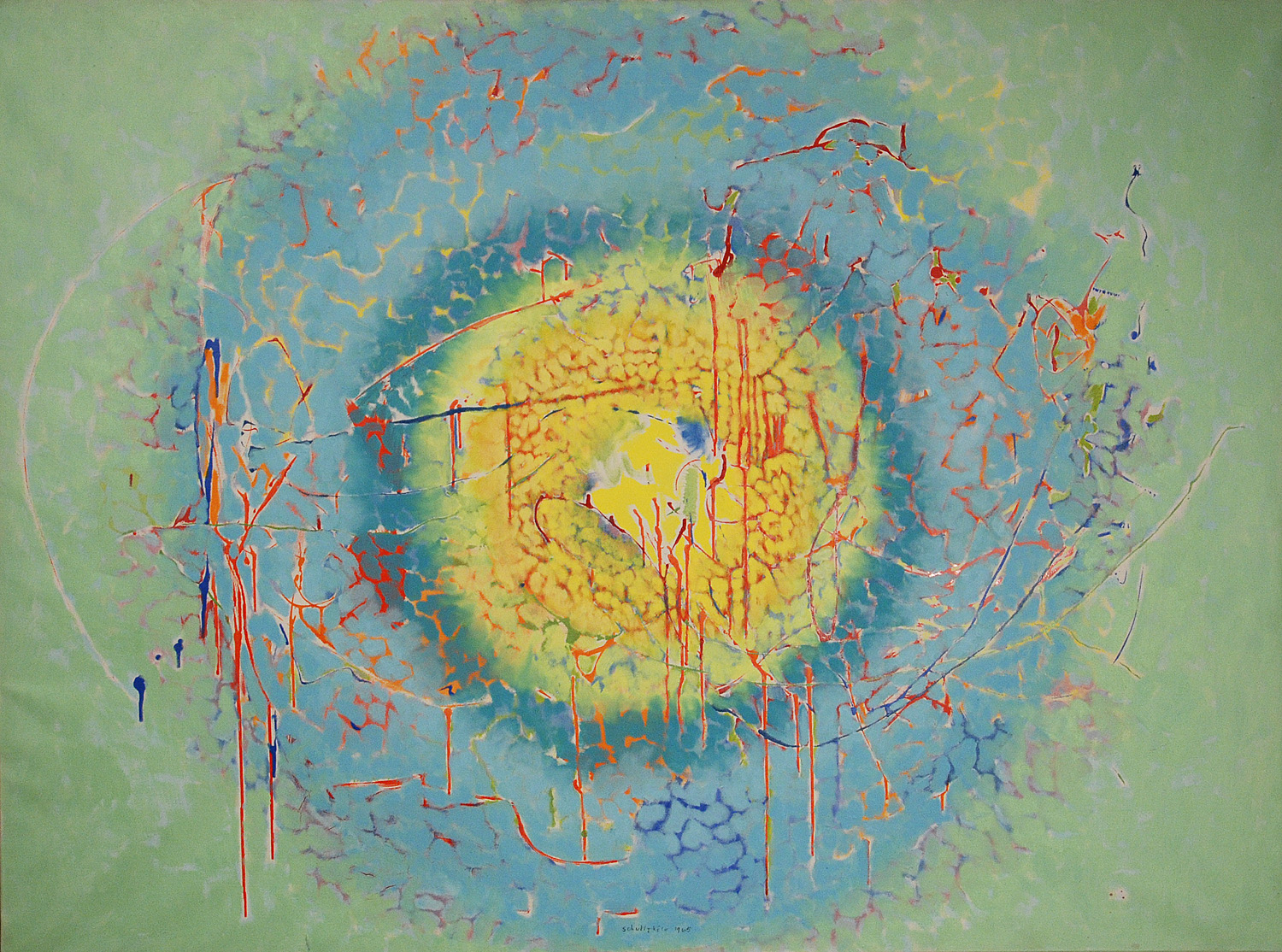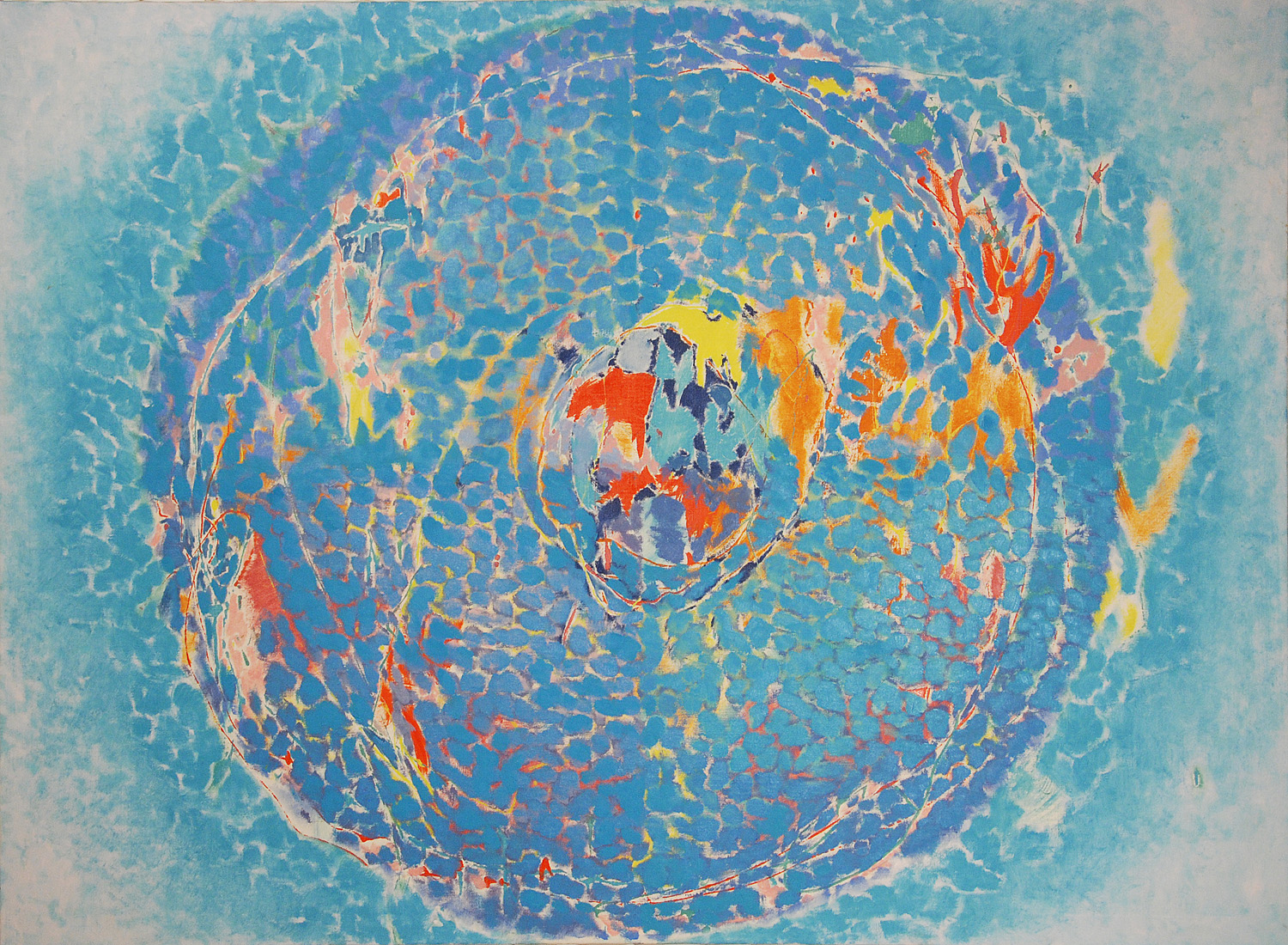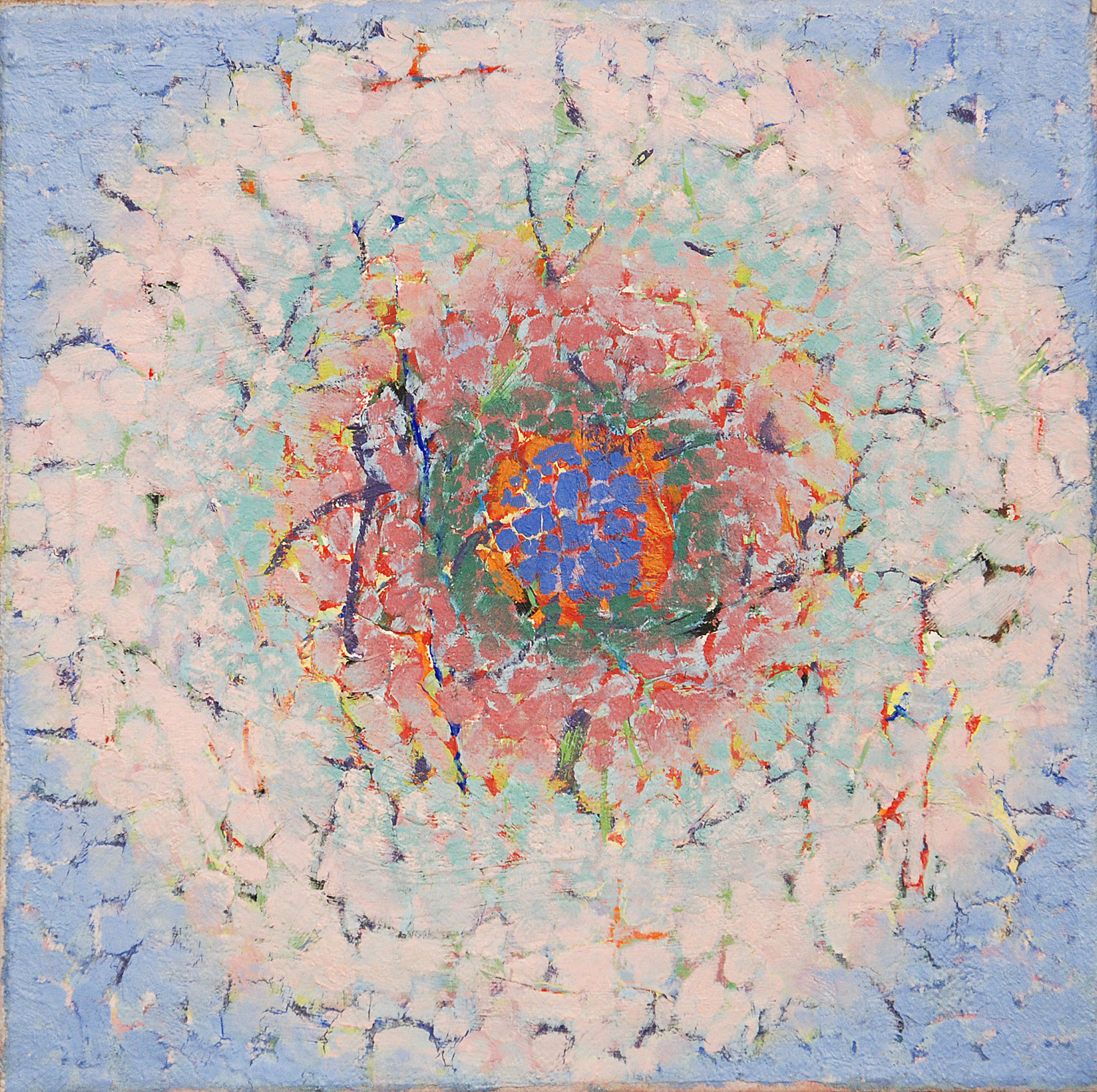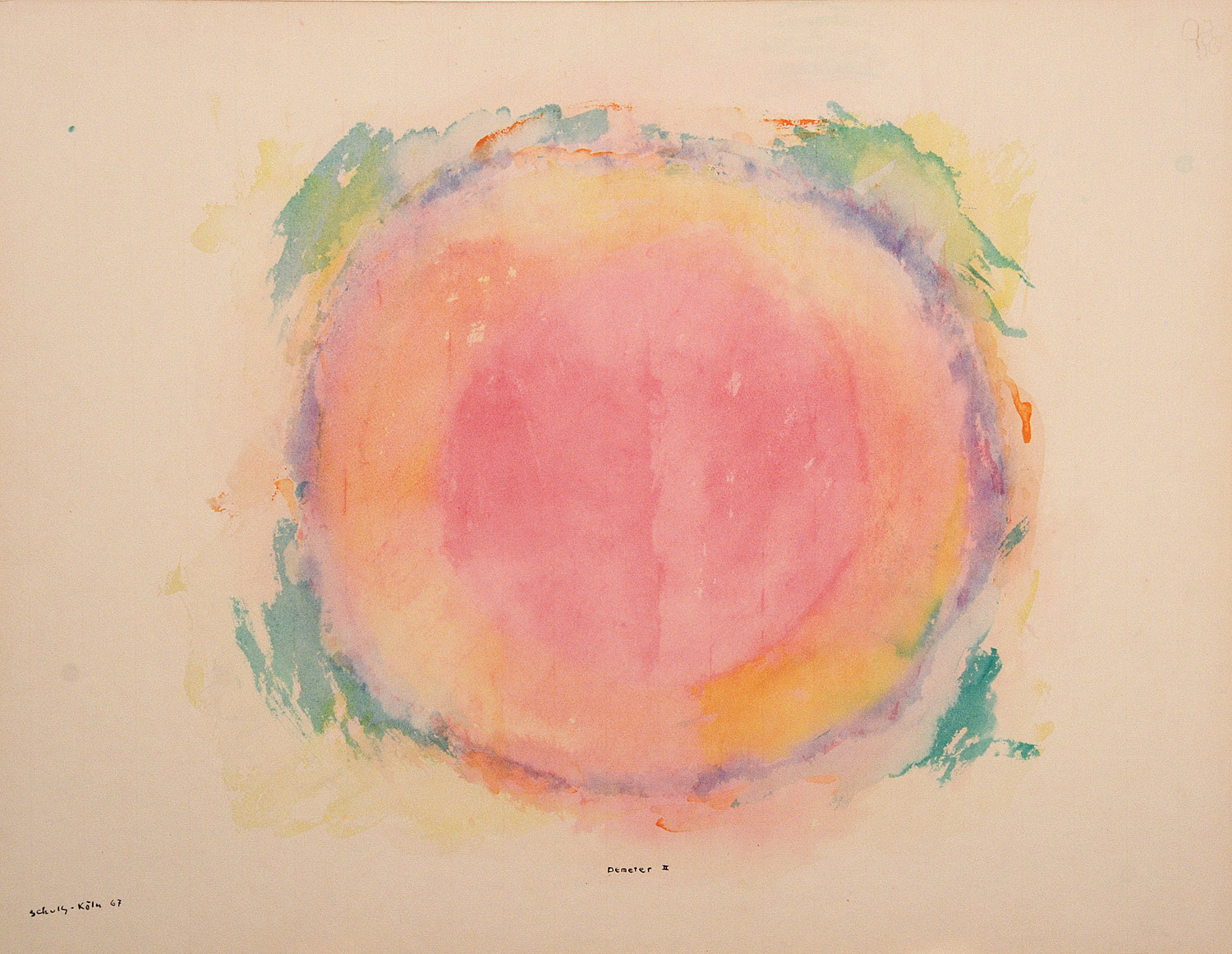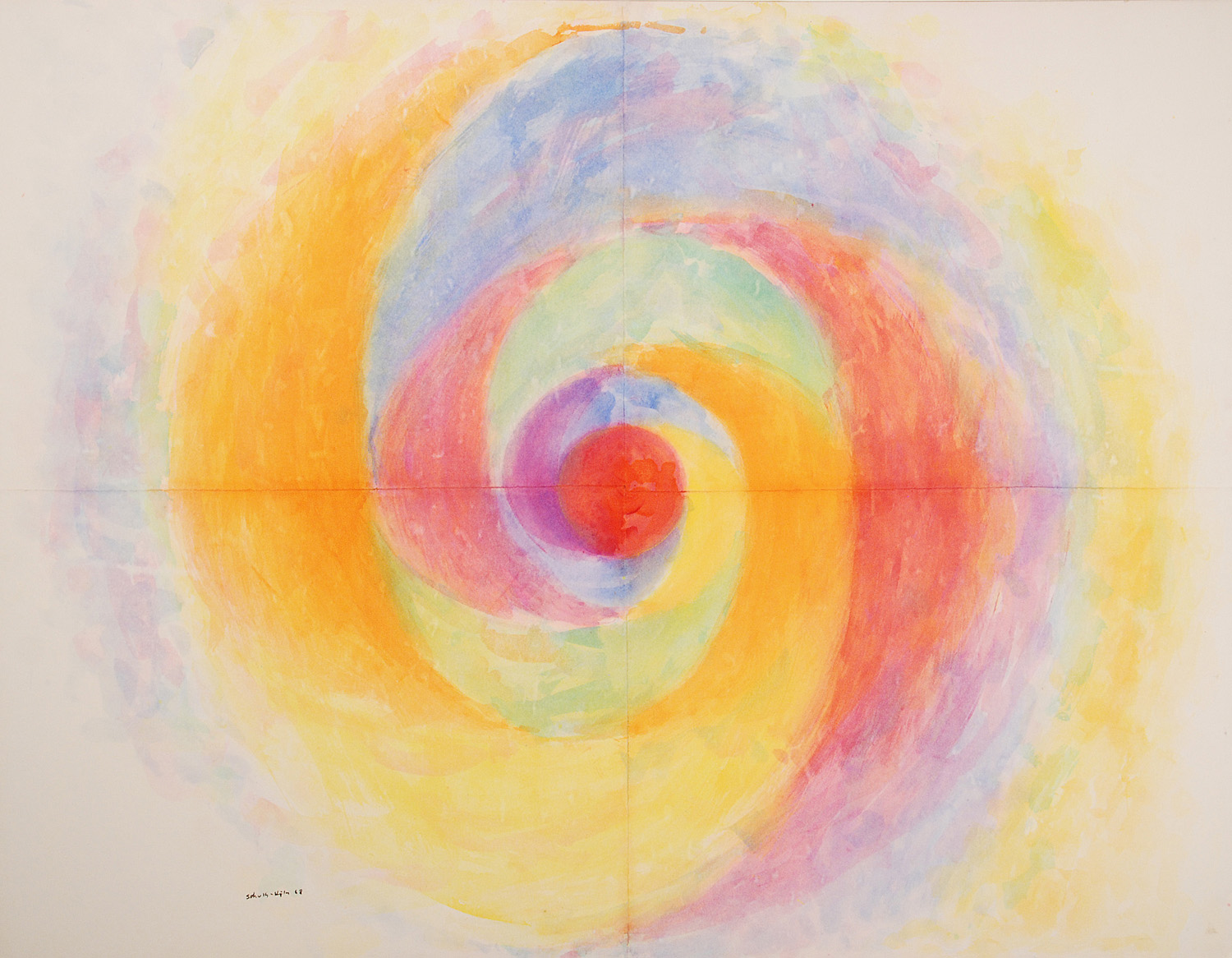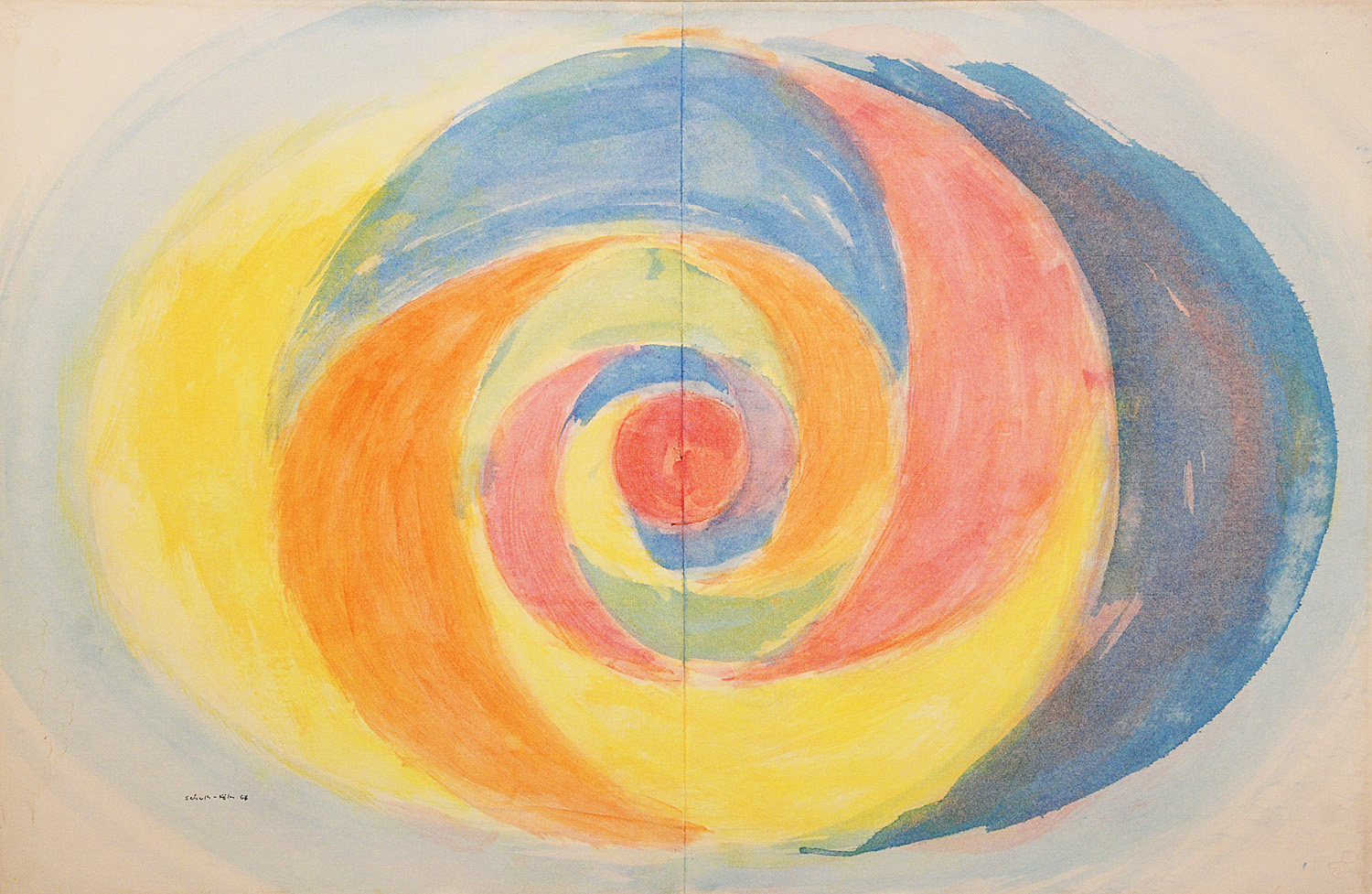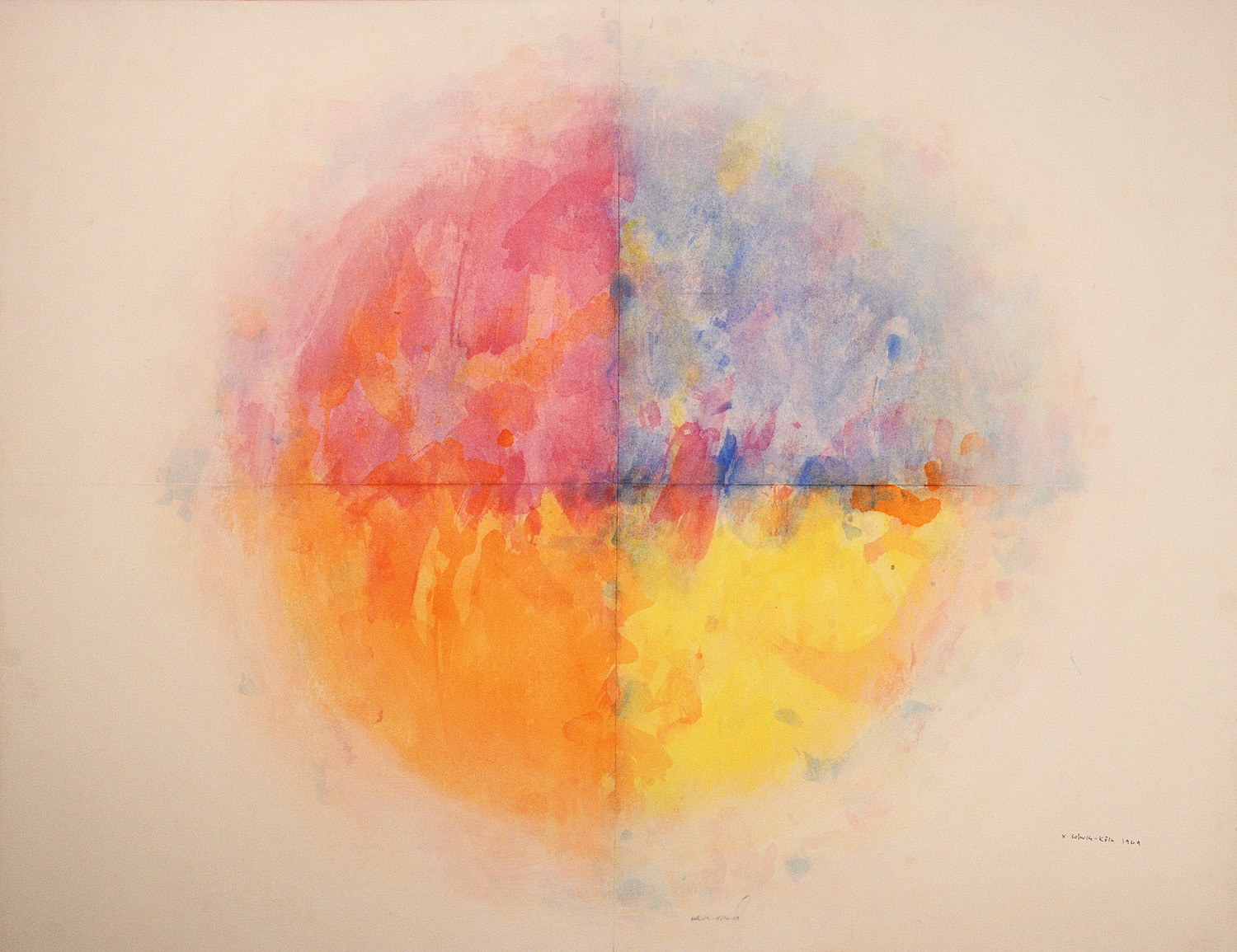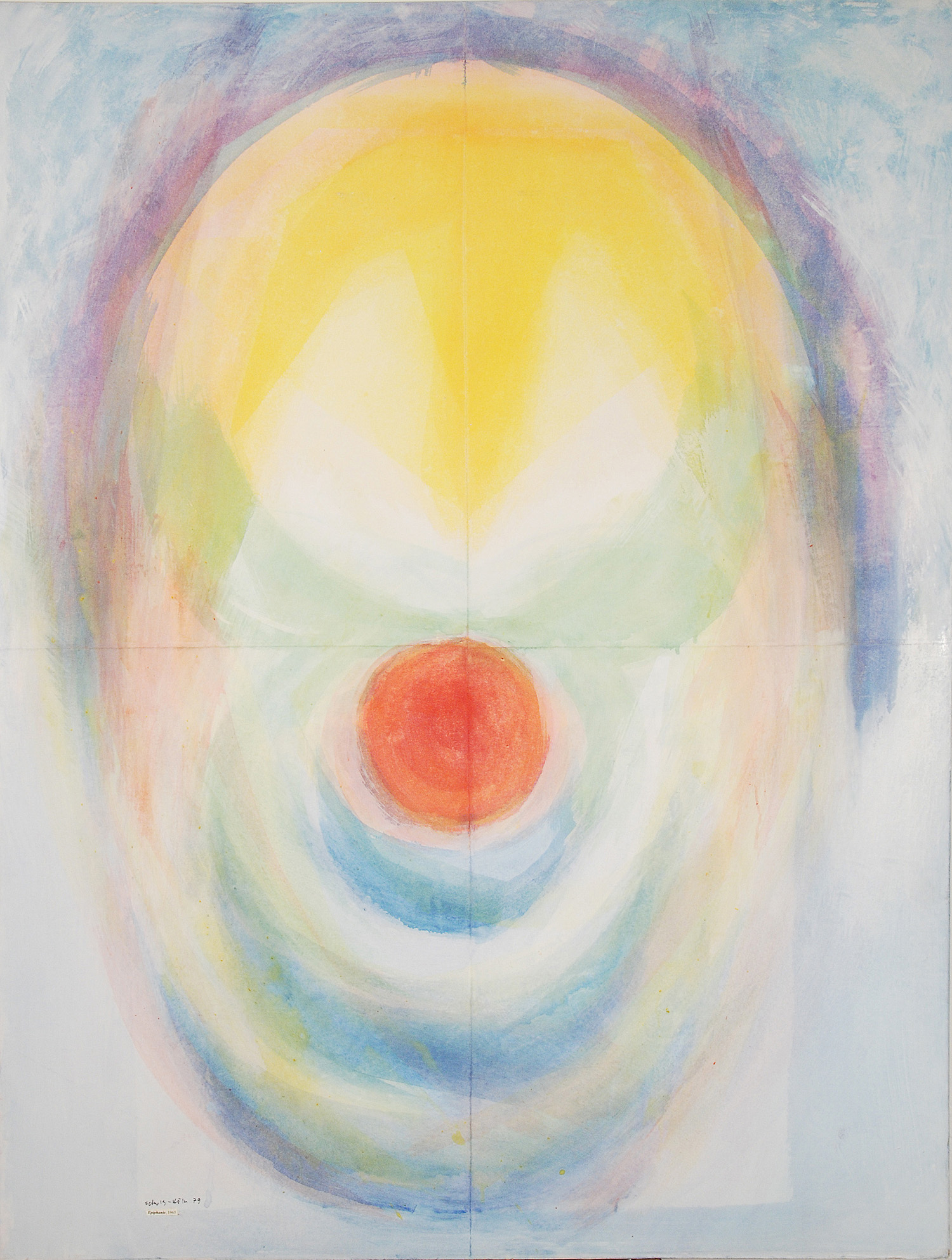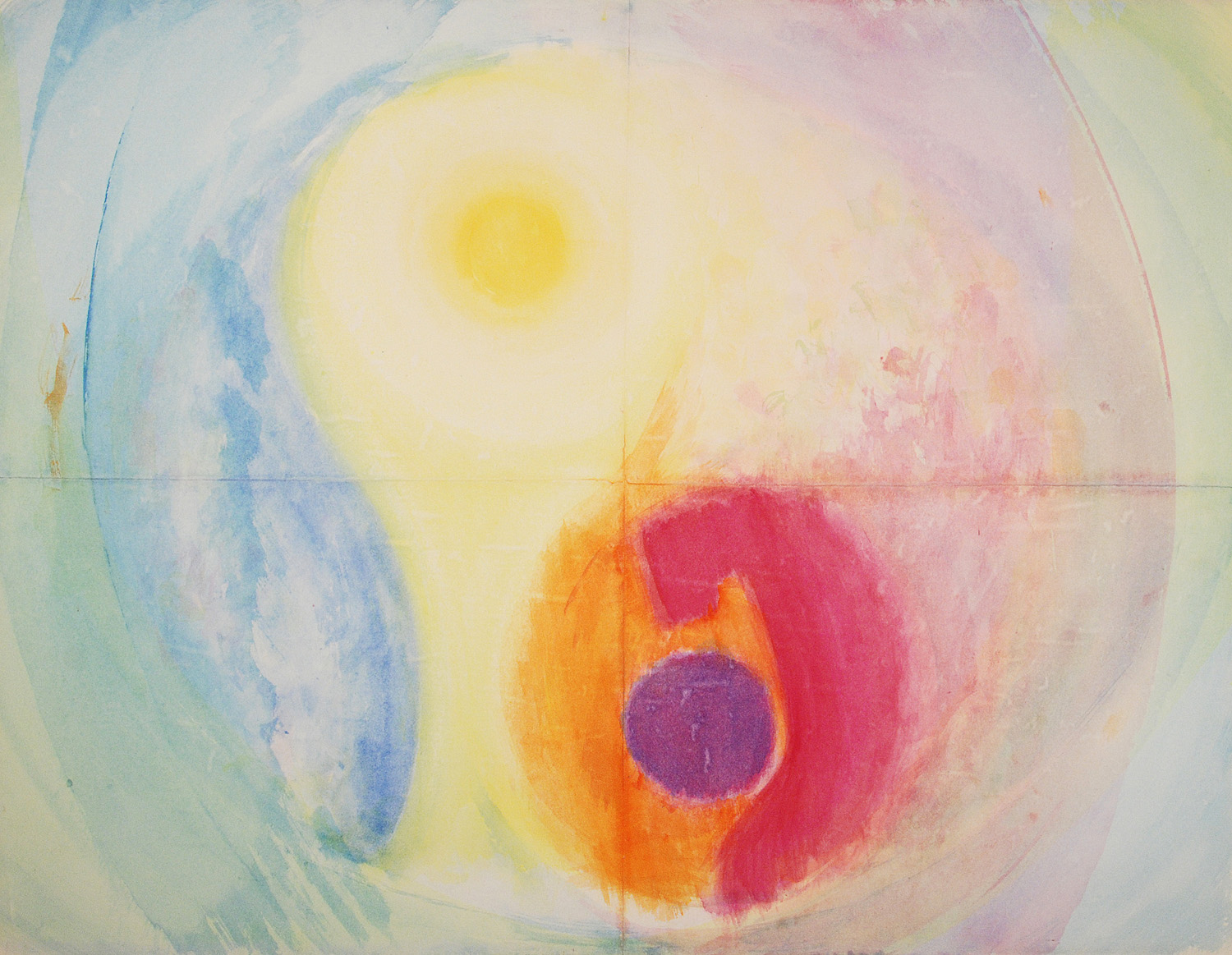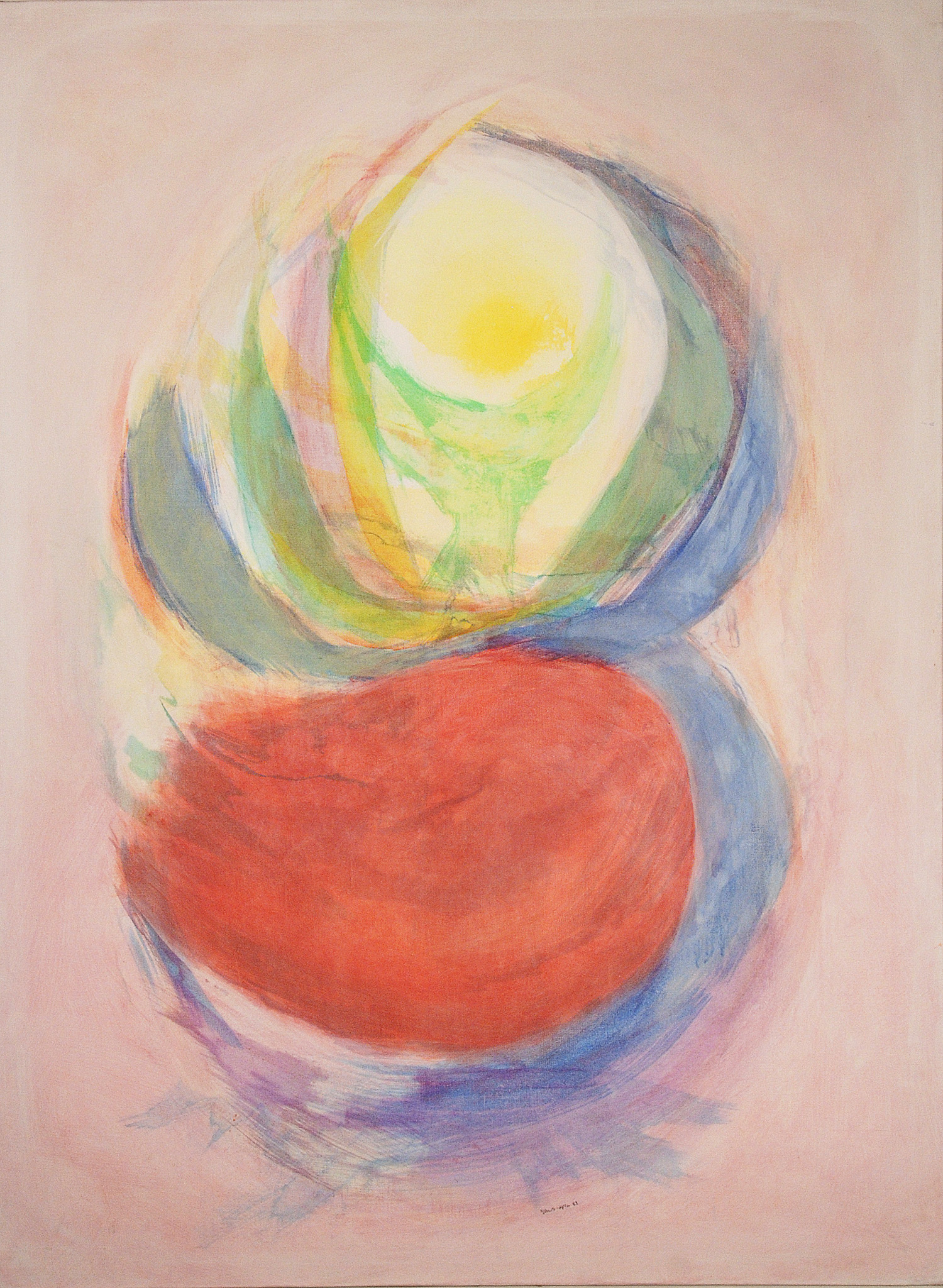
Karlheinz Johannes Schultz was born on March 8, 1921, in Bergisch Gladbach outside Cologne. At the age of eighteen, he was drafted into the German army, from which he later deserted in dramatic circumstances. After the war, he studied painting and color lithography at the Akademie der bildenden Künste in Ellingen. There he met Marita Mörck, whom he later married.
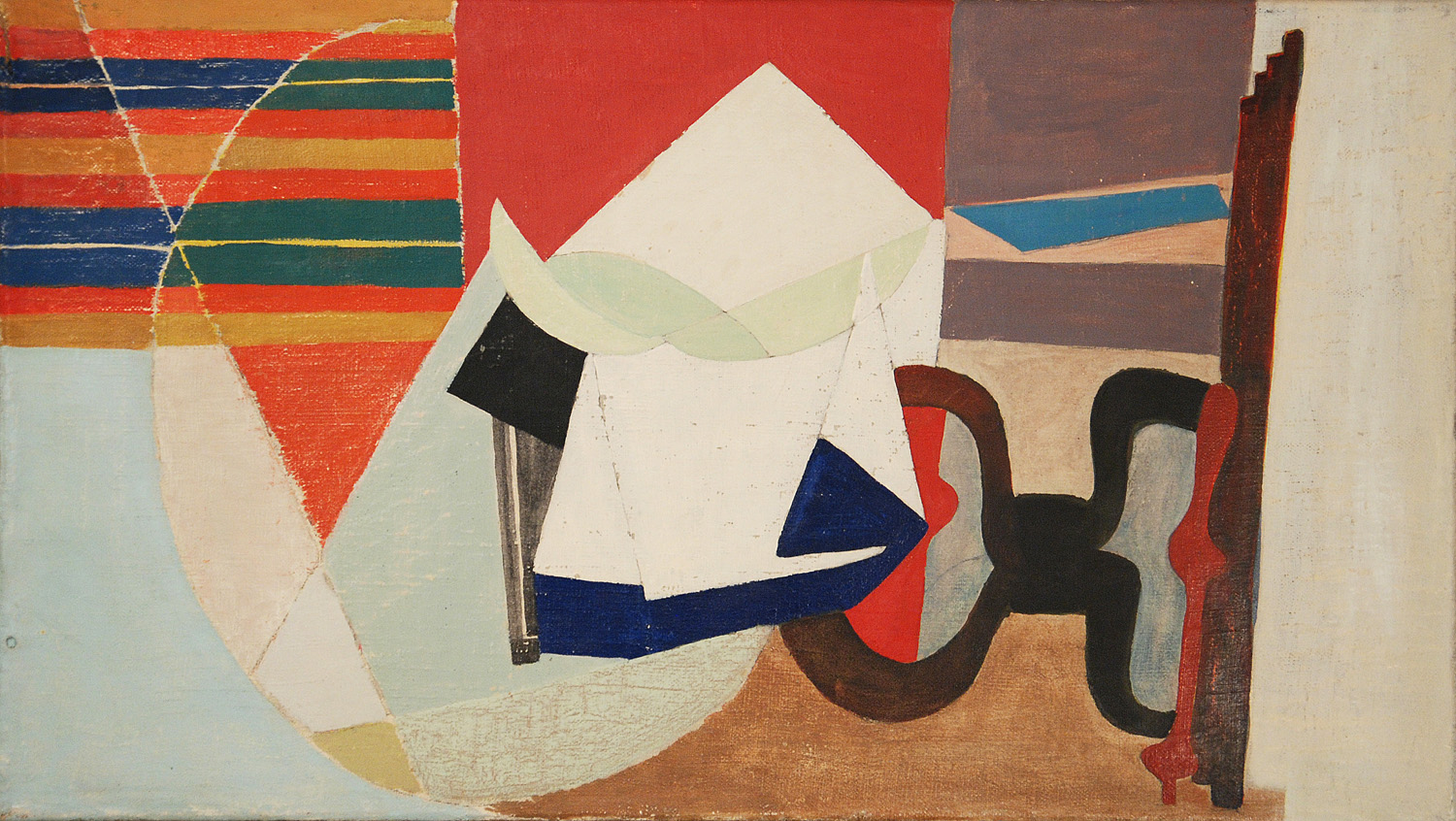
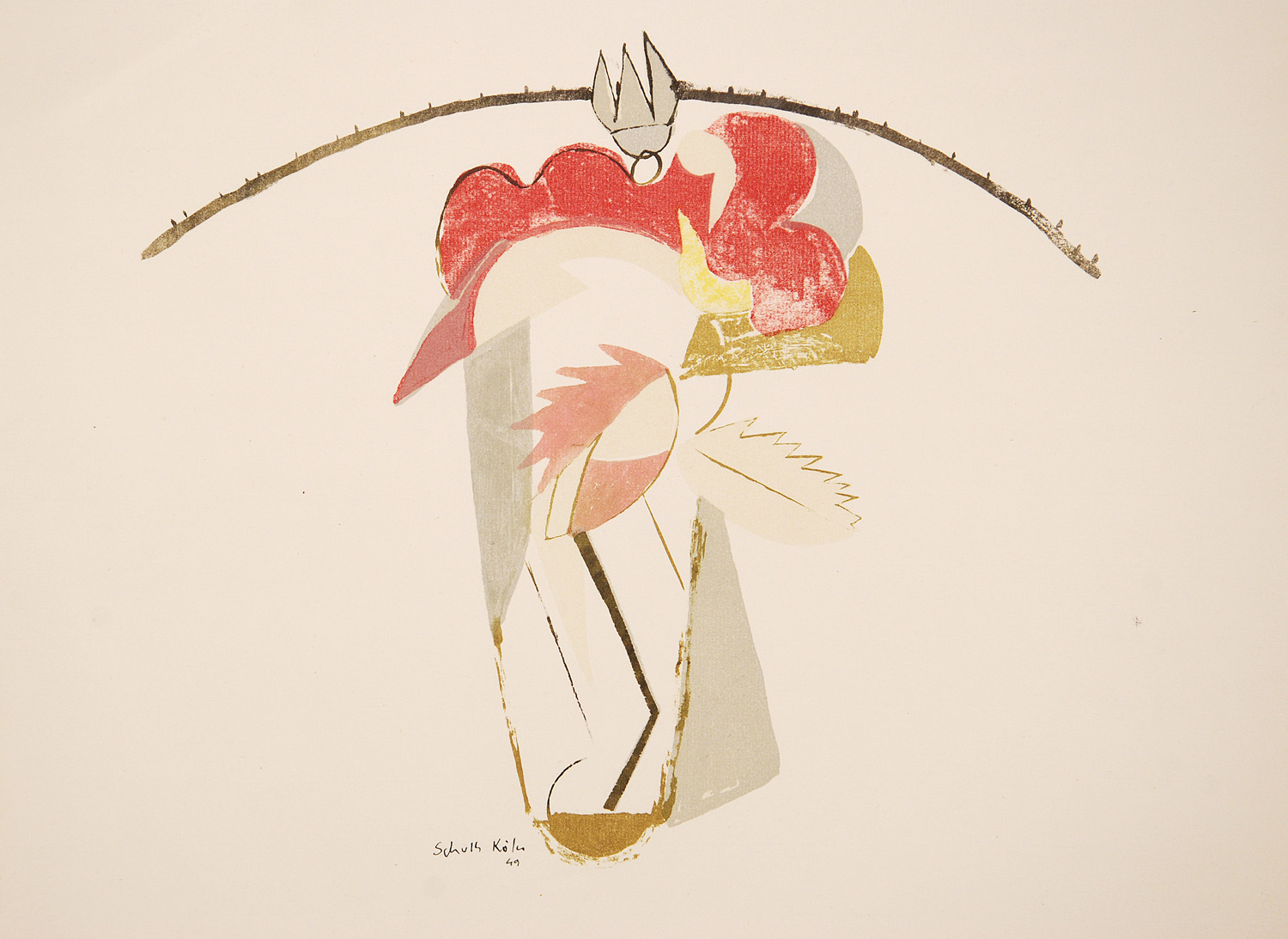
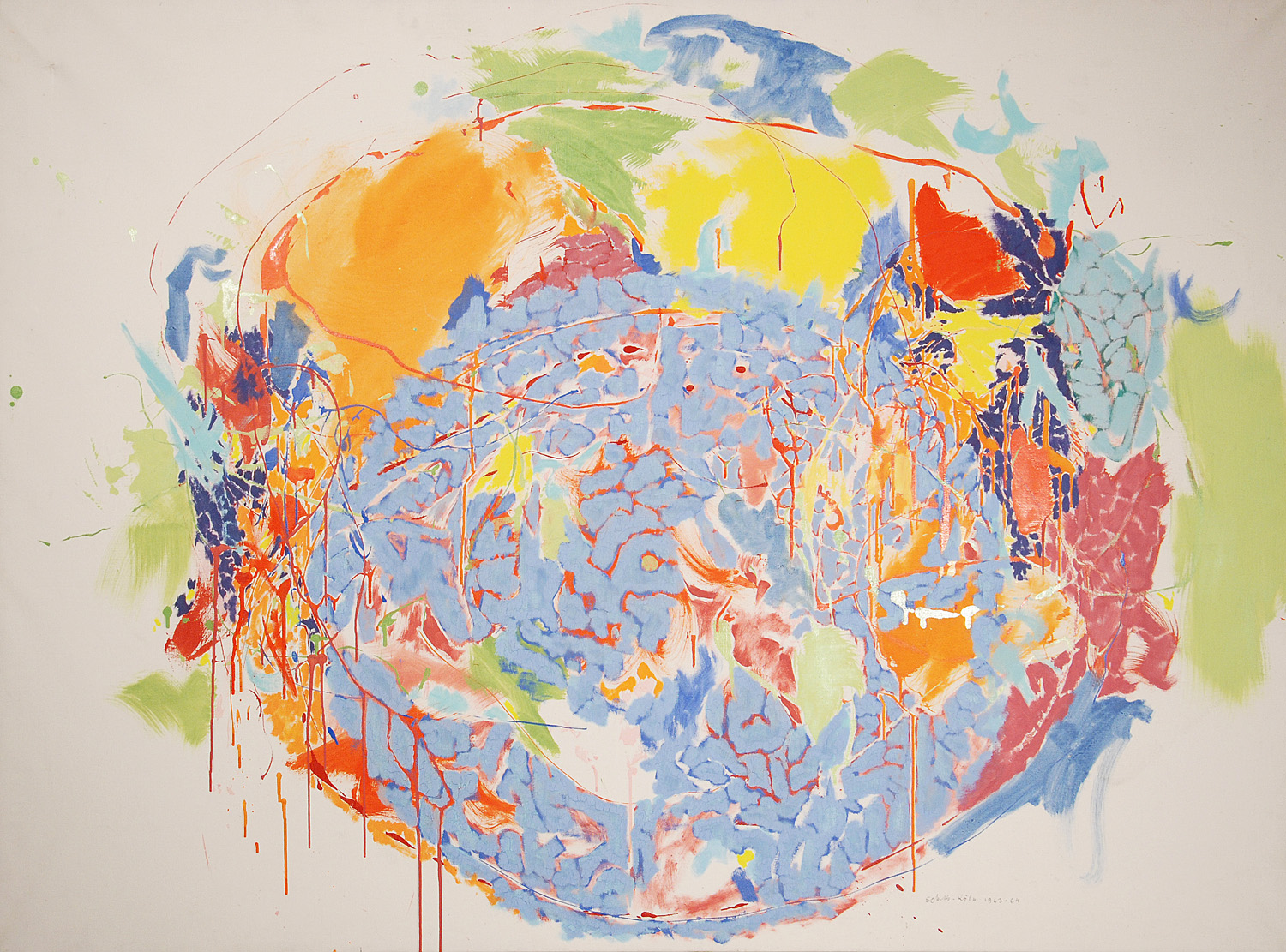
Karl was constantly active as an artist and studied many of the great names of modernism; Paul Klee, among others, was an important influence. Gradually, Karl became interested in Rudolf Steiner’s writings on art and philosophy, which came to play a major role in his later life and artistic work.
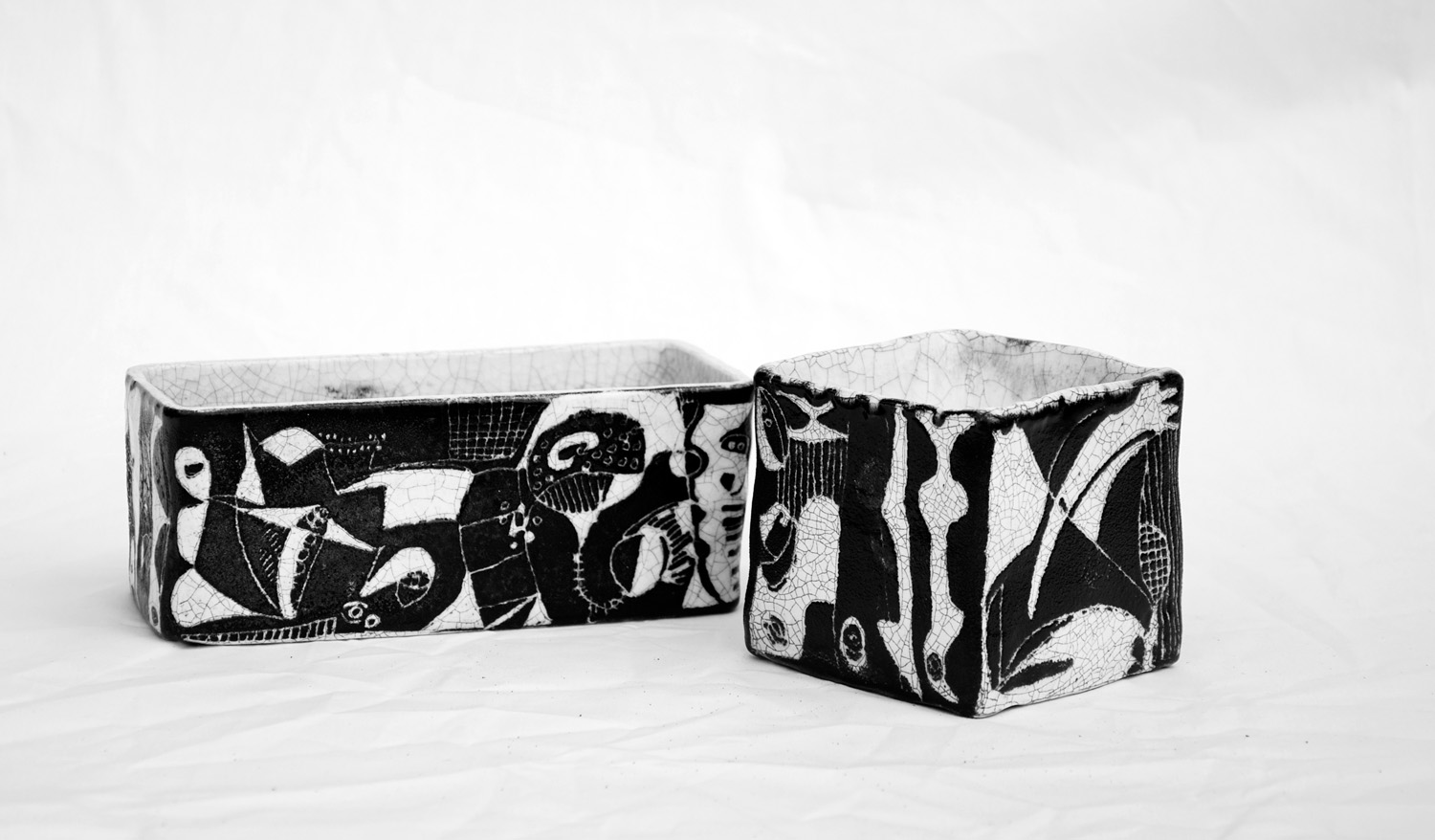
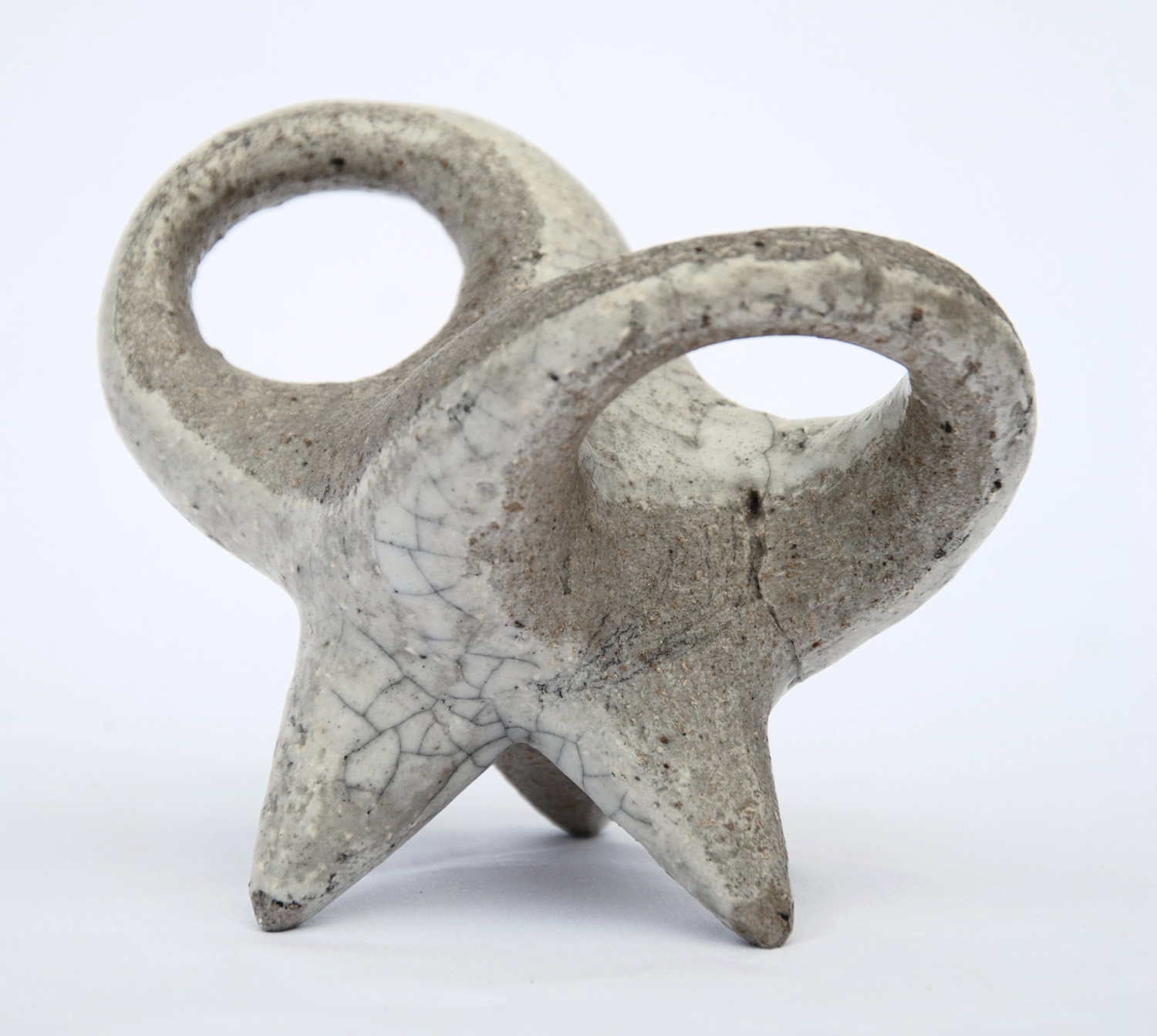
In 1950, the couple moved to Helsinki, where Karl was employed as a ceramist at Arabia for twelve years. They then moved to Spain, where he continued his work with functional ceramics at Porcelanas Bidasoa. However, the politically unstable situation in Spain in the 1960s prompted the couple to move to Sweden, where they settled in Tungelsta outside Stockholm. They lived there for forty years, a life that involved (albeit at times ambivalent) engagement in the anthroposophical movement, in art, and in their own garden.
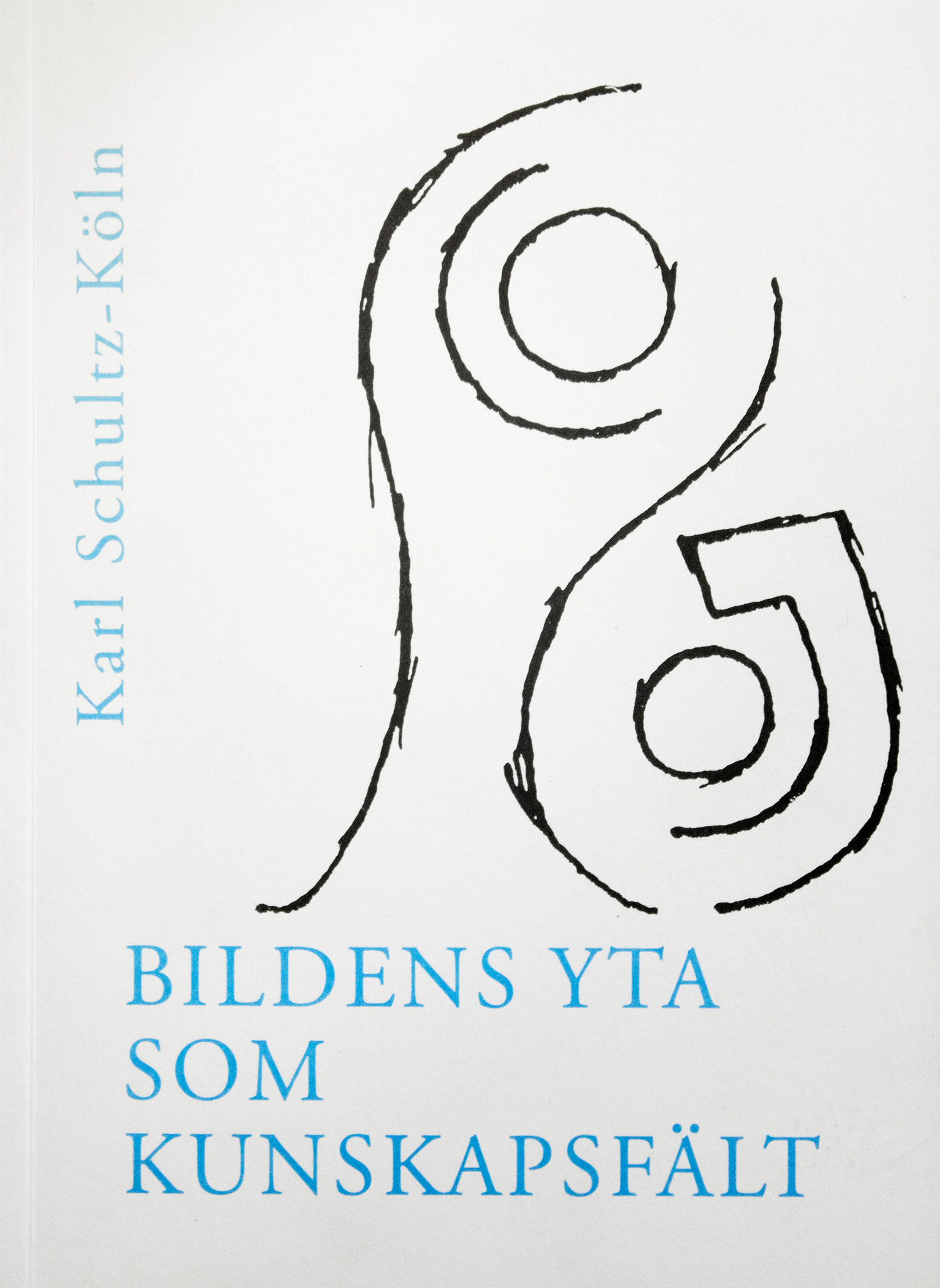
Karl Schultz-Köln was a philosophically well-informed person with many strong opinions about the possibilities and function of art. He exhibited his art regularly and was also an active writer. During Marita’s final years, he cared for his wife at home, and with no children or other heirs, a foundation was established in memory of the couple. After Marita’s death, Karl became involved in the foundation’s survival and entered into an agreement with the Art Lab Gnesta association regarding the purchase of the property on Bryggeriholmen in Gnesta. This is also where he lived out his final days before passing away in December 2013.